
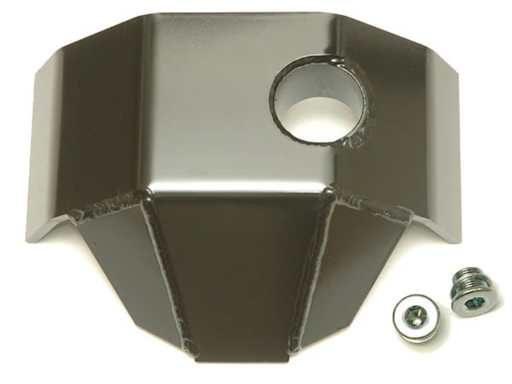
A differential skid plate helps protect vulnerable drivetrain components when your Toyota Tacoma, 4Runner, or Land Cruiser tackles rocky trails and demanding terrain. Impacts from rocks and other obstacles can damage the differential and lead to costly repairs.
Choosing durable, Toyota-specific protection is an important part of preparing for off-road driving. Yotamasters specializes in Toyota drivetrain and off-road components, offering protection designed to provide dependable coverage and greater confidence when taking your vehicle beyond paved roads.
Why Your Differential Needs Protection Off-Road
Your differential transfers engine power to the wheels while allowing them to rotate at different speeds during turns. Positioned low underneath the vehicle, it is highly exposed to rocks, roots, ledges, washouts, and uneven terrain. A hard impact can crack the housing, damage mounting components, or cause gear oil to leak, potentially leading to costly internal damage.
Even experienced drivers may encounter hidden obstacles or unexpected terrain changes. Repairing a damaged differential can involve replacement parts, recovery costs, towing, and downtime. Installing proper off-road differential protection helps shield this critical drivetrain component from impacts and reduce the risk of expensive repairs.
What Is a Differential Skid Plate?
A differential skid plate is a protective shield mounted around the differential housing to help prevent damage from rocks, ledges, and other trail obstacles. It absorbs and distributes impacts, allowing the vehicle to slide over obstacles instead of striking the differential directly.
Most skid plates are made from steel or aluminum. Steel provides greater impact resistance for demanding rock crawling, while aluminum offers lighter weight and corrosion resistance for overlanding and moderate trails.
Front differential skid plates protect the front axle assembly, while rear versions shield the rear differential housing. Unlike full underbody armor, they provide focused protection for vulnerable drivetrain components.
Benefits of Installing a Differential Skid Plate
Protects Expensive Drivetrain Components
The biggest advantage of installing a skid plate is protecting costly drivetrain components. Differential gears, bearings, seals, and housings are precision-engineered parts that require proper alignment and lubrication. Preventing housing damage helps preserve the reliability of your entire drivetrain.
Prevents Oil Leaks from Housing Damage
Even relatively minor impacts can crack a differential housing or damage the drain plug area. Gear oil leaks often go unnoticed until serious internal wear has already begun. A skid plate acts as the first line of defense, helping prevent punctures and preserving proper lubrication.
Improves Confidence on Technical Trails
Confidence plays a major role in successful off-road driving. When drivers constantly worry about damaging vulnerable components, they often hesitate during difficult obstacles.
Knowing your differential is protected allows you to focus on choosing the correct line instead of fearing every rock beneath the vehicle. That added confidence often leads to smoother, safer progress through technical terrain.
Reduces Risk of Trip-Ending Damage
Remote trails rarely offer quick access to repair facilities. A cracked differential housing can immediately end a weekend camping trip, hunting expedition, or overlanding adventure.
Installing proper rock protection for differential components significantly reduces the likelihood of mechanical failures that leave you stranded far from assistance.
Increases Vehicle Resale Appeal for Off-Road Enthusiasts
Well-equipped Toyota trucks often attract buyers who understand the value of quality modifications. Durable Toyota skid plates demonstrate that the owner invested in protecting the vehicle rather than simply adding cosmetic accessories.
Many experienced buyers appreciate professionally installed protective equipment because it reflects thoughtful long-term ownership.
After protecting the differential, many Toyota owners also expand their upgrades with complementary drivetrain and underbody protection components available through Yotamasters, creating a more complete solution for demanding off-road conditions.
How to Choose the Right Differential Skid Plate
Choosing the right skid plate upgrade involves more than selecting the thickest piece of steel available. Proper fitment, engineering, and manufacturing quality determine how effectively the skid plate performs.
Vehicle Compatibility
Toyota trucks and SUVs vary significantly in axle design and suspension configuration. A skid plate designed for a Tacoma may not properly fit a Land Cruiser or Tundra.
Always choose products engineered specifically for your vehicle, whether you drive a Tacoma, 4Runner, Land Cruiser, Tundra, or FJ Cruiser. Precise fitment ensures proper protection without interfering with suspension movement, steering components, or axle articulation.
Material Thickness
Material thickness affects both durability and weight. Extremely thin materials may bend easily during hard impacts, while unnecessarily thick materials can add excessive weight without providing proportional benefits.
Quality manufacturers balance strength, weight, and performance through proper engineering rather than relying solely on thicker materials.
Weld Quality
Strong welds are essential because impacts place tremendous stress on mounting points. Precision welding distributes loads evenly across the skid plate instead of concentrating stress at weak joints. Poor weld quality may fail long before the base material reaches its limits.
Corrosion Resistance
Mud, road salt, water crossings, and changing weather expose underbody armor to harsh environments. High-quality powder coating, durable finishes, and corrosion-resistant materials help maintain long-term performance while reducing maintenance requirements.
Ground Clearance
Protection should not significantly compromise off-road capability. Well-designed skid plates follow the differential housing closely while minimizing clearance loss and allowing the vehicle to slide smoothly across obstacles.
Drainage and Maintenance Access
Routine maintenance remains important even after installing protective armor. Look for designs that provide adequate drainage while allowing access to drain plugs or inspection points whenever possible, reducing unnecessary removal during regular service intervals.

When Should You Upgrade?
Upgrade your differential protection before serious off-road use, not after damage occurs. Rock crawlers benefit from skid plates when tackling technical terrain with frequent impacts. Overlanders traveling remote trails gain added protection where recovery services may be limited.
Hunters navigating rough access roads, rocky terrain, and creek crossings also face increased risks. Likewise, vehicles equipped with lift kits and larger tires often tackle more challenging terrain, making added differential protection a smart investment.
Signs Your Factory Protection Is No Longer Enough
Factory protection is generally designed for occasional light off-road use rather than repeated encounters with severe terrain. Visible dents, bent factory skid plates, or deep scrapes exposing bare metal suggest that existing protection has already absorbed significant abuse.
Repeated impacts on the differential housing indicate your current setup may not provide sufficient coverage. Frequent bottoming out during trail driving, previous drivetrain repairs, or visible damage around axle components all suggest it's time to invest in stronger underbody protection. Upgrading before serious failures occur helps avoid expensive drivetrain rebuilds later.
Why Build Quality Matters
Quality skid plates provide accurate fitment, strong mounting, and reliable protection against trail impacts. Heavy-duty brackets help distribute forces across stronger chassis areas, while durable powder coating resists corrosion, chips, and abrasion.
Proper engineering also minimizes vibration and noise. Toyota-specific designs offer better compatibility with individual platforms, supporting dependable fitment, long-term durability, and consistent protection during demanding off-road use.
Other Off-Road Protection Upgrades to Consider
A differential skid plate is one part of a broader off-road protection setup. Engine and transfer case skid plates help shield critical components from rocks and impacts, while rock sliders protect body panels and provide useful recovery and stepping points.
For open-air driving, tube doors can improve visibility on slow trails. Regularly maintained axles, suspension, steering, and transfer case components also support dependable performance on demanding terrain.
FAQ
What does a differential skid plate protect?
A differential skid plate shields the differential housing from impacts caused by rocks, logs, ledges, and other obstacles that can damage drivetrain components during off-road driving.
Is a differential skid plate worth installing for light off-roading?
Yes. Even moderate trails can expose the differential to unexpected impacts, making a skid plate a valuable investment for preventing costly repairs.
Are differential skid plates vehicle-specific?
Most are designed for specific Toyota models and axle configurations, so it's important to select one that matches your vehicle for proper fitment and protection.
Can I install a differential skid plate myself?
Many differential skid plates are designed as bolt-on upgrades using factory mounting points, though installation difficulty varies depending on the vehicle and existing modifications.
What material is best for a differential skid plate?
High-strength steel is often preferred for maximum impact resistance, while aluminum offers a lighter-weight option with good corrosion resistance for less demanding trails.
Does installing a differential skid plate reduce ground clearance?
Most quality skid plates are engineered to provide protection while minimizing any reduction in ground clearance, helping maintain off-road capability.
Should I upgrade other skid plates at the same time?
Yes. Pairing a differential skid plate with engine, transmission, and transfer case skid plates creates more comprehensive underbody protection for challenging off-road environments.
Final Thoughts
Protecting your Toyota’s drivetrain starts with the right underbody armor. A quality differential skid plate helps shield vulnerable axle components from rocks, ledges, and other trail hazards while maintaining proper ground clearance.
Prioritize durable materials, corrosion resistance, and precise fitment for dependable protection. Yotamasters offers drivetrain components and off-road upgrades designed to help Toyota owners protect their vehicles and stay ready for challenging trails.