
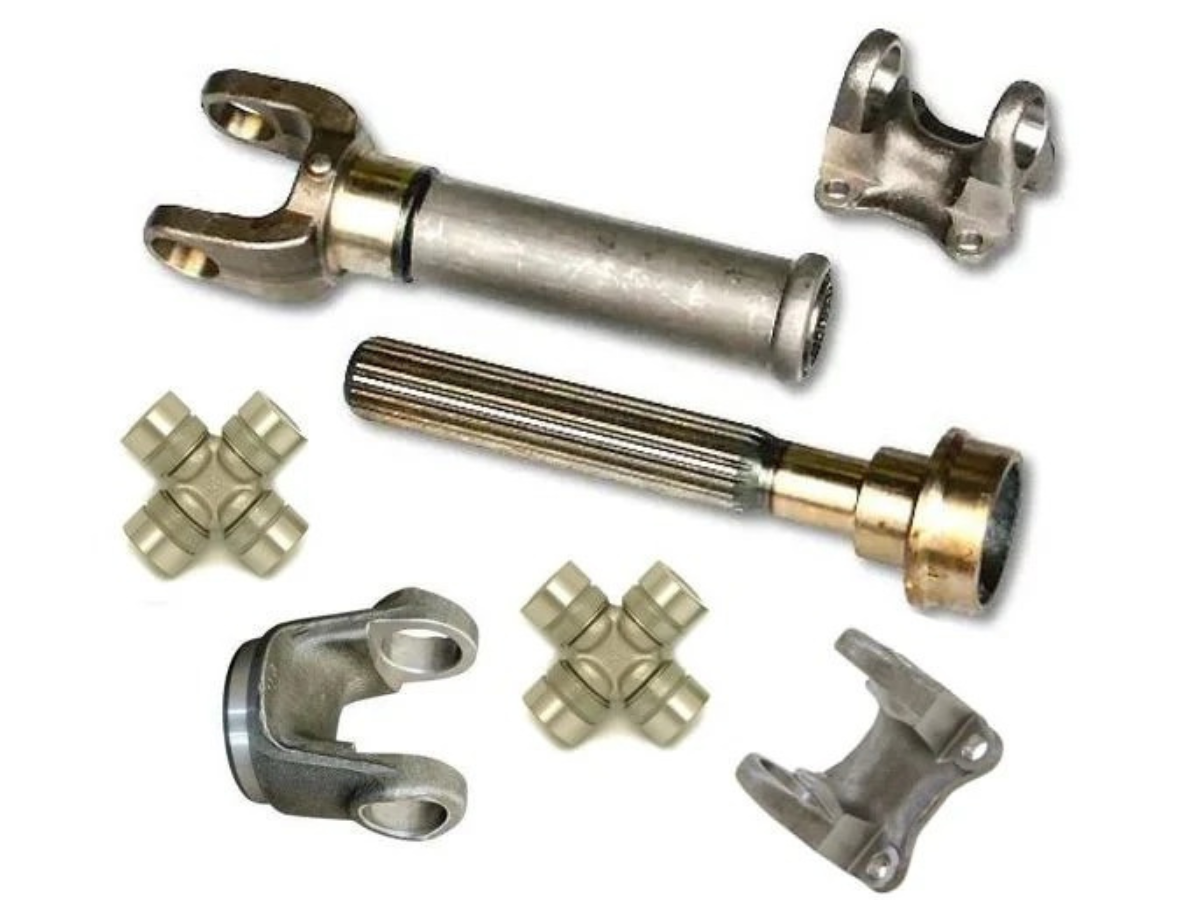
If you drive a Toyota Tacoma, understanding drivetrain health is essential for long-term reliability, especially if your truck is used for off-road trails, towing, or daily commuting. The Toyota Tacoma driveshaft is one of the most important components in your drivetrain system, responsible for transferring power from the transmission to the axles. When it begins to fail, performance issues show up quickly and can affect safety, comfort, and handling.
Many Tacoma owners searching for a Toyota Tacoma driveshaft replacement often first notice unusual vibrations, noises, or changes in driving feel before realizing the driveshaft is the root cause. Brands like Yotamasters provide high-quality drivetrains and off-road components designed specifically for Toyota performance builds, helping drivers restore smooth and reliable operation.
This guide explains the key symptoms, causes, and replacement options so you can confidently diagnose issues and choose the right solution.
What Does a Driveshaft Do in a Toyota Tacoma?
The driveshaft is a long, rotating metal tube that transfers torque from the transmission or transfer case to the rear or front differential, depending on whether your Tacoma is 2WD or 4WD.
Function of the Driveshaft in Power Transfer
In simple terms, the driveshaft acts like a bridge for engine power. Without it, the wheels would not receive the force needed to move the vehicle. It rotates at high speeds and must remain perfectly balanced to avoid vibration.
Importance of 4WD and Off-Road Performance
For 4WD Toyota Tacoma models, the driveshaft becomes even more critical. Off-road driving, steep inclines, and uneven terrain place additional stress on the drivetrain. Any imbalance or wear in the system can quickly lead to noticeable performance issues.
Because of this, many owners upgrading their suspension also consider drivetrain performance parts and stronger replacement shafts to maintain reliability under stress.
Common Signs Your Toyota Tacoma Driveshaft Is Failing
Recognizing early Tacoma driveshaft symptoms can help prevent expensive repairs and breakdowns. Below are the most common warning signs.
Unusual Vibrations While Driving
One of the earliest and most noticeable symptoms is vibration.
-
Felt through the floor or steering wheel
-
Becomes stronger at higher speeds
-
Often linked to Toyota Tacoma drivetrain vibration issues
If your Tacoma develops a Tacoma vibration at high speed, the driveshaft or its components (like U-joints) are often the cause. These vibrations usually worsen during acceleration and may stabilize when coasting.
If you're experiencing these symptoms, it may be time to take action. Check compatible Toyota Tacoma driveshaft options to restore smooth driving performance.
Clunking or Knocking Noises
A failing driveshaft often produces noticeable sounds:
-
Clunking when shifting from park to drive
-
Knocking during acceleration changes
-
Metallic “thud” when stopping or starting
These noises usually come from worn universal joints or loose slip yokes. Ignoring them can lead to complete drivetrain failure.
Difficulty in Turning or Handling Changes
When the driveshaft is damaged, it can affect how power is distributed to the wheels.
-
Delayed throttle response
-
Uneven acceleration
-
Slight pulling sensation during turns
This happens because drivetrain balance is disrupted, affecting overall stability.
Visible Wear or Rust on Driveshaft Components
A quick visual inspection may reveal:
-
Rust buildup on the shaft
-
Loose or worn U-joints
-
Grease leakage around joints
-
Damaged slip yoke or mounting points
These are strong indicators that replacement is needed soon.
What Causes Driveshaft Damage in Toyota Tacoma?
Understanding what leads to driveshaft failure helps prevent future issues.
Off-Road Driving Stress
Frequent off-road use puts extra strain on the drivetrain. Rocks, mud, steep angles, and sudden torque shifts can accelerate wear on the driveshaft and joints.
Lack of Lubrication in U-Joints
Universal joints require proper lubrication to move smoothly. When grease dries out or leaks, friction increases, and wear happens quickly.
High Mileage Wear
Like any mechanical component, the driveshaft naturally wears over time. Most last over 100,000 miles, but usage conditions significantly affect lifespan.
Lift Kits and Drivetrain Angle Issues
Installing suspension lifts can change the angle of the driveshaft. If not corrected properly, this leads to:
-
Increased vibration
-
Faster U-joint wear
-
Stress on transmission and differential components
Owners upgrading with Tacoma suspension upgrades should always consider drivetrain geometry adjustments.
Once you understand the source of the issue, the next step is finding the right replacement.
Explore replacement driveshafts for your Tacoma today and restore drivetrain balance.

Can You Drive With a Damaged Driveshaft?
Technically, a vehicle may still move with a damaged driveshaft, but it is not safe.
Short-Term Risks
-
Increasing vibration and noise
-
Reduced driving control
-
Sudden drivetrain failure
Safety Concerns
A failing driveshaft can break while driving, causing loss of power and potential damage to surrounding components.
Potential Damage to Transmission and Differential
If ignored, a bad driveshaft can damage:
-
Transmission output shaft
-
Rear or front differential
-
Suspension mounts
Repairing these systems is far more expensive than replacing the driveshaft early.
Toyota Tacoma Driveshaft Replacement Options
When replacing a driveshaft, Tacoma owners typically choose between OEM and aftermarket options.
OEM vs Aftermarket Comparison
-
OEM driveshafts Designed to match factory specs, reliable for stock vehicles
-
Aftermarket driveshafts: Often stronger and better suited for off-road use
Aftermarket options are popular among lifted and off-road Tacoma builds because they handle stress more effectively.
When Upgrading Makes Sense
Upgrading is ideal if you:
-
Installed a lift kit
-
Frequently go off-road
-
Too heavy loads
-
Experience repeated vibration issues
Importance of Proper Fitment
Choosing the correct length, spline type, and joint compatibility is essential. Incorrect fitment can worsen vibration issues rather than fix them.
For reliable options, check the Toyota Tacoma Driveshaft Collection.
Why Quality Driveshafts Matter for Off-Road Performance
A high-quality driveshaft is not just about replacement; it’s about performance improvement.
Durability Under Stress
Off-road environments demand stronger materials and reinforced construction to withstand constant impacts and torque fluctuations.
Smooth Power Delivery
A balanced driveshaft reduces vibration, allowing smoother acceleration and better control on all terrains.
Reduced Drivetrain Wear
Upgraded components reduce stress on connected systems, including the transmission, differential, and suspension.
Drivers building complete off-road Toyota builds should always prioritize drivetrain strength.
Where to Find Reliable Toyota Tacoma Driveshafts
Finding the right replacement is key to restoring performance and avoiding future issues. The best options are those designed specifically for Tacoma models and tested for durability under both street and off-road conditions.
A trusted source for Toyota performance and drivetrain upgrades is Yotamasters, known for offering reliable off-road and performance-focused components tailored to Toyota vehicles.
Their curated selection ensures proper fitment and improved durability, making it easier for Tacoma owners to choose confidently.
FAQ
1. What are the signs of a bad Toyota Tacoma driveshaft?
Common signs include vibration at high speeds, clunking noises, and difficulty accelerating smoothly.
2. Can a worn driveshaft damage my Tacoma?
Yes, a failing driveshaft can damage the transmission, differential, and suspension components if not replaced.
3. How long does a Toyota Tacoma driveshaft last?
It typically lasts over 100,000 miles, but off-road use and lift modifications can shorten its lifespan.
4. Should I replace or repair a driveshaft?
Minor issues like U-joints may be repairable, but severe wear usually requires full replacement.
5. Is the aftermarket driveshaft better than the OEM?
Aftermarket options can offer improved durability for off-road use, but proper fitment is essential.
Conclusion
A failing Toyota Tacoma driveshaft can significantly impact safety, comfort, and performance. Recognizing early symptoms like vibration, noise, and handling issues allows Toyota Tacoma owners to take action before serious damage occurs. Whether the issue is caused by off-road stress, high mileage, or suspension modifications, choosing the right replacement is critical for restoring smooth drivetrain function.
For Tacoma owners looking for reliable upgrades and replacements, Yotamasters provides trusted drivetrain solutions designed for durability and performance, helping ensure your truck stays strong on and off the road.