
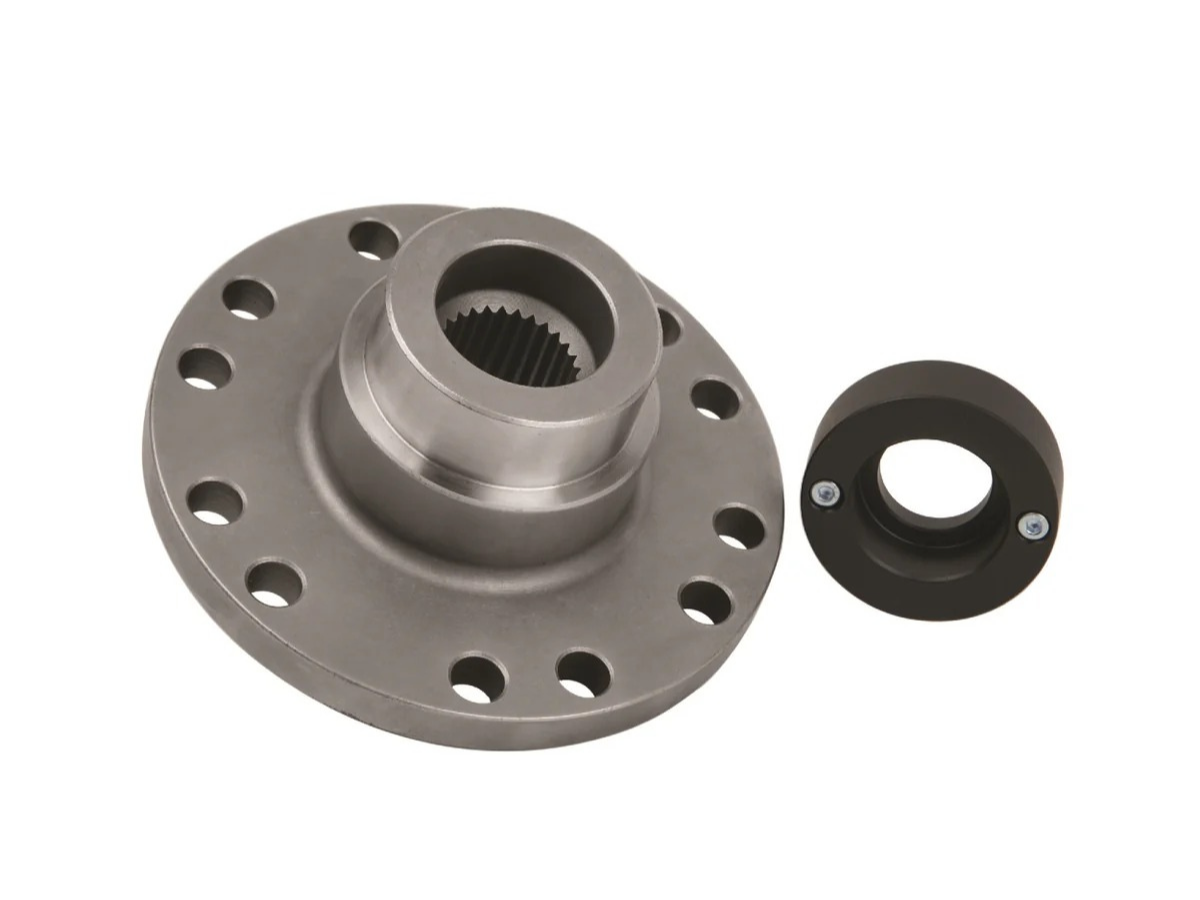
Understanding a Toyota differential and differential parts is one of the most important steps for any Toyota owner who wants better traction, stronger performance, and improved off-road or street capability. Whether the goal is daily driving comfort, off-road reliability, or high-performance racing setup, the differential plays a central role in how power is delivered to the wheels.
Brands like Yotamasters specialize in Toyota drivetrain systems and performance-focused upgrade solutions, helping drivers choose the right differential setup based on real driving needs rather than guesswork.
This guide breaks down everything in a simple, practical way so you can understand how Toyota differential systems work, when to upgrade, and which path is best for your vehicle.
What a Toyota Differential Does and Why It Matters
Basic function of a Toyota differential
A differential is a key part of your vehicle’s drivetrain. In simple terms, it allows your wheels to rotate at different speeds while still receiving power from the engine. This is especially important when turning corners.
Without a differential, both wheels would spin at the same speed, making turns difficult and causing tire wear and instability.
In a Toyota differential, this system is designed to balance smooth driving with durability, whether the vehicle is a Tacoma, 4Runner, Hilux, or Land Cruiser.
How it affects traction, stability, and performance
The differential directly influences how your Toyota handles different surfaces:
-
On dry pavement, it ensures smooth cornering
-
On wet or slippery roads, it impacts traction control
-
Off-road, it determines how well power is distributed to uneven terrain
A stronger or upgraded differential improves grip, stability, and control, especially in high-stress driving conditions.
Common issues with stock differentials
Factory-installed differentials are designed for general use, which means they have limitations:
-
The wheel slips during aggressive acceleration
-
Limited off-road traction
-
Wear under heavy loads or towing
-
Reduced performance in modified vehicles
This is why many Toyota owners eventually consider upgrading their differential system for better durability and performance.
Types of Toyota Differentials Explained
Open differential
An open differential is the most basic type found in many Toyota models. It allows wheels to rotate independently but sends power to the wheel with the least resistance.
Pros:
-
Smooth and quiet operation
-
Affordable and low maintenance
Cons:
-
Poor traction in off-road or slippery conditions
Limited-slip differential (LSD)
A limited-slip differential improves traction by distributing torque more evenly between wheels.
Pros:
-
Better grip during acceleration
-
Improved performance on wet or uneven roads
Cons:
-
Slightly more complex maintenance
-
More expensive than open differentials
Locking differential
A locking differential forces both wheels on an axle to rotate at the same speed.
Pros:
-
Maximum traction off-road
-
Excellent for rock crawling and mud terrain
Cons:
-
Not ideal for daily street driving
-
Can cause tire wear if misused
Aftermarket performance differentials
Aftermarket upgrades are designed for specific performance goals. These include heavy-duty builds, racing differentials, and advanced torque-biasing systems.
These are ideal for enthusiasts who want full control over their Toyota differential performance in demanding environments.
Toyota Differential Upgrade Path (Step-by-Step)
Stage 1 – Maintenance and inspection upgrades
Before upgrading, the first step is always maintenance:
-
Check fluid condition
-
Inspect for noise or vibration
-
Replace worn bearings or seals
Many performance issues come from neglected maintenance rather than failure.
Stage 2 – LSD upgrade for improved traction
For most drivers, the first real upgrade is installing a limited-slip differential.
This stage improves:
-
Acceleration grip
-
Cornering stability
-
Everyday driving confidence
This is the most balanced upgrade for street and light off-road use.
Explore high-performance Toyota differential parts designed for durability and traction improvement.
https://www.yotamasters.com/collections/differential
Stage 3 – Full performance or locking differential build
This stage is for serious off-roaders or performance builders. It includes:
-
Locking differentials
-
Heavy-duty gear sets
-
Reinforced housings
These upgrades significantly increase strength and traction but require proper installation and tuning.
Matching upgrades with driving style
Choosing the right upgrade depends on how you use your Toyota:
-
Daily driving: LSD or OEM replacement
-
Off-road: Locking differential or heavy-duty build
-
Racing/performance: High-performance aftermarket differential
Understanding your driving needs is key to choosing the right upgrade path.

Signs You Need a Differential Upgrade
Wheel slip and traction loss
If your wheels spin too easily during acceleration, your differential may not be distributing power effectively.
Noisy or worn differential behavior
Common warning signs include:
-
Whining sounds
-
Grinding noises
-
Vibration during turns
These often indicate internal wear or damage.
Performance limitations during acceleration or off-road use
If your Toyota struggles on hills, dirt roads, or during fast acceleration, your current differential may be limiting performance.
Choosing the Right Toyota Differential Parts
Vehicle model compatibility considerations
Not all differentials fit every Toyota model. Always ensure compatibility with:
-
Tacoma
-
4Runner
-
Hilux
-
Land Cruiser
Gear ratio importance
Gear ratio affects acceleration and fuel efficiency. Lower ratios provide more torque, while higher ratios improve fuel economy.
Driving conditions and performance goals
Ask yourself:
-
Do I drive mostly on highways?
-
Do I go off-road often?
-
Do I tow heavy loads?
Your answer determines the best upgrade path.
Budget vs performance balance
Higher-performance differentials cost more but deliver better durability and capability. Entry-level upgrades still provide noticeable improvements for daily driving.
Compare Toyota differential upgrade options and find the right fit for your vehicle setup.
Recommended Toyota Differential Upgrade Options
OEM replacement vs aftermarket upgrades
-
OEM replacements restore factory performance
-
Aftermarket upgrades enhance strength and traction
Performance-focused differential kits
These kits are designed for enthusiasts seeking maximum control and durability in their drivetrain.
Heavy-duty and off-road options
Built for extreme conditions, these differentials handle rocks, mud, and heavy torque loads with ease.
Installation and Maintenance Overview
Professional installation importance
Installing a differential requires precision tools and expertise. Incorrect installation can damage the drivetrain.
Break-in procedures
After installation:
-
Drive gently for the first 500–1,000 km
-
Avoid aggressive acceleration
-
Allow gears to properly seat
Maintenance tips for longevity
-
Regular fluid changes
-
Inspect seals and bearings
-
Listen for unusual noises
Proper maintenance significantly extends the life of your system.
Where to Buy Quality Toyota Differential Parts
Why quality matters for drivetrain performance
Low-quality parts can lead to failure under stress. High-quality components ensure:
-
Better durability
-
Smoother performance
-
Longer lifespan
What to look for in a trusted supplier
Choose suppliers that offer:
-
Verified compatibility
-
Performance-tested components
-
Expert support
Exploring curated differential collections
For Toyota owners looking to upgrade confidently, curated collections of Toyota performance drivetrain upgrades make it easier to find the right fit without confusion.
FAQ
1. What does a Toyota differential do?
It distributes engine power to the wheels while allowing them to rotate at different speeds, improving handling and traction.
2. When should I upgrade my Toyota differential?
Upgrade when you experience wheel slip, reduced traction, off-road difficulty, or performance limitations.
3. What is the best Toyota differential upgrade for off-road use?
A locking differential or upgraded limited-slip differential is typically best for off-road traction and control.
4. Are aftermarket Toyota differentials worth it?
Yes, aftermarket options often provide improved durability, better traction, and enhanced performance compared to stock units.
5. Do I need professional installation for a differential upgrade?
Yes, professional installation is strongly recommended due to the precision required in drivetrain setup and alignment.
Building a Stronger, More Capable Toyota Drivetrain
Upgrading your Toyota differential is one of the most effective ways to improve traction, durability, and overall driving confidence. Whether you're building for daily comfort or extreme off-road performance, choosing the right upgrade path with trusted solutions from Yotamasters ensures long-term reliability and better control on every drive.
Upgrade your Toyota differential today with performance-tested parts built for strength, traction, and reliability.
A well-planned upgrade using quality differential parts can completely transform how your Toyota performs on and off the road.