
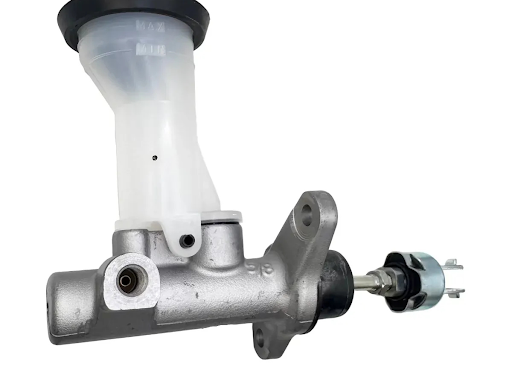
Manual transmissions have earned Toyota trucks and SUVs a reputation for durability, but even the toughest drivetrain relies on a healthy hydraulic system. Clutch master cylinder symptoms often develop gradually, making them easy to overlook until shifting becomes difficult or the clutch stops working altogether.
Whether you drive a Tacoma, 4Runner, Pickup, T100, or Land Cruiser, recognizing these early warning signs can help you avoid more expensive repairs and unexpected breakdowns. At Yotamasters, we've seen many older Toyota models remain on the road for decades, making clutch hydraulic wear one of the most common maintenance concerns for long-term owners.
If you're already noticing these symptoms, inspect your clutch hydraulic system before the problem leaves you stranded. Browse OEM-quality replacement clutch hydraulics designed specifically for Toyota trucks and SUVs to restore dependable clutch performance.
What Does a Clutch Master Cylinder Do?
The clutch master cylinder is one of the most important parts of the clutch hydraulic system. Every time you press the clutch pedal, it creates hydraulic pressure that allows you to disengage the clutch and shift gears smoothly.
A typical clutch hydraulic system includes:
-
Clutch pedal
-
Master cylinder
-
Hydraulic fluid reservoir
-
Hydraulic line
-
Slave cylinder
When you press the pedal, the master cylinder forces brake fluid through the hydraulic line to the slave cylinder. The slave cylinder then moves the clutch fork, allowing the clutch disc to separate from the flywheel so you can change gears.
If the master cylinder begins to fail, the entire pressure transfer process becomes inconsistent. Even small internal leaks can prevent the system from generating enough hydraulic pressure for smooth shifting.
7 Common Clutch Master Cylinder Symptoms
1. Soft or Spongy Clutch Pedal
One of the earliest signs of a bad clutch master cylinder is a clutch pedal that feels unusually soft.
Instead of offering firm resistance, the pedal may sink farther than normal before engaging the clutch. This often happens because worn internal seals allow hydraulic pressure to escape inside the cylinder.
Other possible causes include:
-
Air trapped in the hydraulic system
-
Worn piston seals
-
Contaminated hydraulic fluid
-
Small internal leaks
A spongy pedal may seem minor at first, but it usually becomes worse over time if the underlying issue is not addressed.
2. Clutch Pedal Stuck to the Floor
A clutch pedal that remains on the floor after being pressed is one of the more obvious signs of clutch master cylinder failure.
This usually indicates severe seal damage or a complete loss of hydraulic pressure. Without enough pressure, the pedal cannot return to its normal position.
Drivers may temporarily pull the pedal back with their foot, but this does not solve the problem. Once the master cylinder reaches this stage, replacement is generally the safest solution.
3. Difficulty Shifting Gears
When the clutch does not fully disengage, gear changes become noticeably harder.
Common symptoms include:
-
Hard shifting into first gear
-
Reverse gear grinding
-
Resistance during gear changes
-
Difficulty selecting gears while stopped
Many drivers initially suspect transmission problems, but a failing master cylinder can produce nearly identical symptoms because the clutch never completely releases.
4. Low Clutch Fluid Level
A dropping fluid level is another important warning sign.
The clutch hydraulic reservoir should maintain a consistent fluid level. If it continues to drop without an obvious explanation, inspect the entire hydraulic system for leaks.
Check for:
-
Wet hydraulic lines
-
Fluid around the master cylinder
-
Moisture near the slave cylinder
-
Dirty or contaminated fluid
Simply topping off the reservoir is only a temporary fix. Finding and repairing the leak is essential.
5. Visible Fluid Leaks Around the Firewall
External leaks often appear where the master cylinder passes through the firewall.
Signs include:
-
Wet paint below the reservoir
-
Brake fluid on the firewall
-
Fluid running down the pedal assembly
-
Damp carpet beneath the dashboard
Brake fluid can damage painted surfaces if left untreated, so cleaning any spills promptly helps protect surrounding components.
Leaks almost always indicate deteriorated seals that require replacement rather than repeated bleeding.
6. Grinding While Changing Gears
Grinding gears usually occur because the clutch cannot completely disengage.
Without full hydraulic pressure, the transmission synchronizers continue spinning while you attempt to shift.
Over time, repeated grinding can accelerate wear on:
-
Synchronizers
-
Shift forks
-
Gear teeth
-
Bearings
Ignoring these symptoms may turn a relatively simple hydraulic repair into a much more expensive transmission repair.
7. Inconsistent Clutch Engagement
One day the clutch grabs close to the floor.
The next day it engages halfway up the pedal.
Changing engagement points often point toward intermittent hydraulic pressure loss inside the master cylinder.
Drivers may notice:
-
Unpredictable pedal travel
-
Different engagement points
-
Easier shifting on some trips than others
-
Temporary improvement after pumping the pedal
These inconsistent behaviors are among the classic signs of a bad clutch master cylinder.
What Causes Clutch Master Cylinder Failure?
Although Toyota clutch hydraulics are known for their reliability, no hydraulic component lasts forever.
Several factors contribute to wear:
-
High mileage
-
Aging rubber seals
-
Moisture contamination
-
Dirty hydraulic fluid
-
Heat exposure
-
Frequent off-road driving
-
Heavy towing
-
Long periods of storage
Older Toyota Pickups, early Tacomas, Land Cruisers, and 4Runners often experience hydraulic seal deterioration simply due to age. Vehicles that spend years parked may also develop dried or cracked seals that leak once regular driving resumes.
Routine fluid maintenance helps extend the life of the entire clutch hydraulic system.

How to Inspect Your Clutch Master Cylinder
A basic inspection can often reveal whether the master cylinder deserves closer attention.
Check the Fluid Reservoir
Open the reservoir and verify:
-
Proper fluid level
-
Clean fluid
-
No discoloration
-
No debris
Dark or dirty fluid may indicate contamination that accelerates seal wear.
Inspect for External Leaks
Look around:
-
Firewall
-
Hydraulic fittings
-
Reservoir
-
Hydraulic lines
-
Slave cylinder
Even a small amount of fluid around these areas deserves investigation.
Feel the Clutch Pedal
Pay attention to:
-
Pedal firmness
-
Consistent resistance
-
Smooth travel
-
Normal return
Changes in pedal feel usually appear before complete hydraulic failure.
Look Under the Dashboard
Brake fluid inside the driver's footwell is often overlooked.
If fluid is leaking from the rear seal of the master cylinder, you may notice:
-
Wet carpet
-
Damp insulation
-
Fluid running down the clutch pedal
This is a strong indicator that the rear seal has failed.
Master Cylinder vs. Slave Cylinder Symptoms
A failing clutch master cylinder typically leaks around the firewall or under the dashboard and often causes a soft or slowly sinking clutch pedal, making it difficult to shift into any gear. In contrast, a bad clutch slave cylinder usually leaks near the transmission bellhousing and may cause incomplete clutch disengagement, resulting in reduced clutch release.
During inspection, check the master cylinder around the reservoir and firewall, while the slave cylinder should be inspected near the transmission. On higher-mileage Toyota trucks and SUVs, replacing both components together is often recommended since they wear at a similar rate and doing so can help restore reliable clutch performance while reducing the likelihood of future hydraulic repairs.
Can You Drive with a Bad Clutch Master Cylinder?
Some drivers continue operating their vehicle during the early stages of hydraulic failure, but it carries risks.
A failing master cylinder can suddenly lose pressure without warning.
Potential consequences include:
-
Being unable to shift gears
-
Getting stranded
-
Increased transmission wear
-
Unsafe driving situations in traffic
If the clutch pedal begins sticking, loses pressure repeatedly, or shifting becomes increasingly difficult, schedule repairs as soon as possible rather than waiting for complete failure.
When Should You Replace the Clutch Master Cylinder?
Replacement is usually recommended when you experience:
-
Persistent hydraulic leaks
-
Internal seal failure
-
Repeated bleeding requirements
-
Consistent soft pedal
-
High-mileage wear
-
Clutch replacement service
Many experienced Toyota technicians also recommend inspecting or replacing the hydraulic components whenever a new clutch kit is installed. Since labor overlaps with clutch service, replacing worn hydraulics at the same time can improve long-term reliability and help prevent future issues.
Choosing the Right Replacement Clutch Hydraulics
Not all replacement parts offer the same level of quality or fitment.
When shopping for a replacement, consider:
-
OEM-quality construction
-
Correct Toyota application
-
Durable seals
-
Reliable hydraulic performance
-
Complete master and slave cylinder options
Using properly engineered components helps restore factory clutch feel and dependable operation.
If you're replacing worn hydraulic parts, choose components designed specifically for your Toyota model. Verify compatibility before ordering and consider replacing related hydraulic components together for the best long-term results.
Maintenance Tips to Extend Clutch Hydraulic Life
Routine maintenance can significantly increase the service life of your clutch hydraulics.
Helpful practices include:
-
Replace hydraulic fluid at recommended intervals.
-
Inspect the fluid reservoir regularly.
-
Repair leaks immediately.
-
Keep dirt and moisture out of the system.
-
Inspect hydraulic hoses during routine maintenance.
-
Bleed the system properly after repairs.
-
Address changes in pedal feel early.
Small maintenance tasks often prevent larger hydraulic failures later.
Frequently Asked Questions
What are the first signs of a bad clutch master cylinder?
Early signs include a soft or spongy clutch pedal, inconsistent clutch engagement, difficulty shifting gears, and a dropping clutch fluid level.
Can a bad clutch master cylinder cause hard shifting?
Yes. If the master cylinder cannot maintain proper hydraulic pressure, the clutch may not fully disengage, making gear changes difficult.
How do I know if the clutch master cylinder or slave cylinder is bad?
Inspect the location of any leaks, evaluate the clutch pedal feel, and check the entire hydraulic system. Leaks near the firewall often point to the master cylinder, while leaks near the transmission usually indicate the slave cylinder.
Is it safe to drive with a failing clutch master cylinder?
While the vehicle may still be drivable during the early stages, hydraulic pressure can fail unexpectedly, making it impossible to disengage the clutch safely.
Should I replace the clutch slave cylinder at the same time?
If both components have similar mileage or show signs of wear, replacing them together is often recommended for improved reliability.
How long does a clutch master cylinder typically last?
Many clutch master cylinders last well beyond 100,000 miles, although service life depends on maintenance, driving conditions, and the overall condition of the clutch hydraulic system.
Final Thoughts
Recognizing clutch master cylinder symptoms early can prevent inconvenient breakdowns and help protect your transmission from unnecessary wear. A soft clutch pedal, fluid leaks, inconsistent engagement, or difficult shifting are all signs that your clutch hydraulic system deserves attention.
For many Toyota Tacoma, 4Runner, Pickup, T100, and Land Cruiser owners, replacing worn hydraulic components before complete failure restores smooth shifting and dependable clutch performance. Taking the time to inspect the full hydraulic system, including both the master and slave cylinders, can help ensure you replace the correct parts and avoid repeat repairs.
Don't wait until complete hydraulic failure prevents you from shifting gears. Explore Yotamasters' selection of OEM-quality clutch hydraulic components designed to fit Toyota trucks and SUVs, helping keep your vehicle performing reliably on the road, on the trail, and for years to come.