
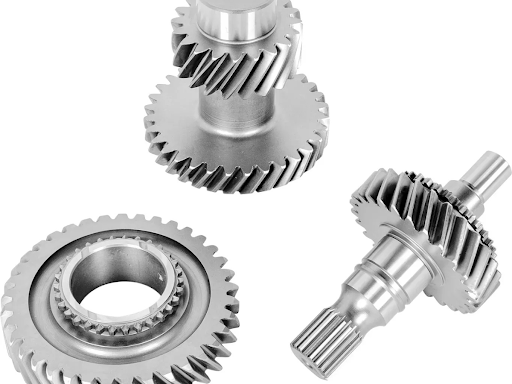
A Toyota transfer case rebuild restores the performance and reliability of a four-wheel-drive system by replacing worn internal components such as bearings, seals, chains, and other damaged parts while keeping usable components in service. The transfer case plays a critical role in distributing power from the transmission to the front and rear axles, helping Toyota 4WD vehicles maintain traction in off-road conditions, towing situations, and daily driving.
Over time, internal wear can affect performance, but a proper rebuild can extend the service life of the original assembly. Yotamasters provides Toyota transfer cases, rebuild components, and drivetrain solutions designed to help owners restore dependable four-wheel-drive performance across various Toyota models.
What Does a Toyota Transfer Case Do?
The transfer case connects the transmission to both drive axles and plays a critical role in every four-wheel-drive system.
How Power Is Transferred to the Front and Rear Axles
When four-wheel drive is engaged, the transfer case distributes engine power between the front and rear axles. Depending on the design, it may also provide low-range gearing for increased torque during steep climbs, heavy towing, or technical off-road driving.
Differences Between Manual and Electronic Transfer Cases
Many older Toyota 4x4 models use manual transfer cases that are shifted using a floor-mounted lever. These systems are known for their durability and mechanical simplicity. Newer vehicles often feature electronically controlled transfer cases that allow drivers to switch drive modes using a dashboard selector. While both systems perform the same function, electronic units include additional sensors and actuators that may require inspection during repairs.
Common Toyota Models Using Transfer Cases
Transfer cases are used in many Toyota four-wheel-drive models, including the Toyota Tacoma, 4Runner, Tundra, Land Cruiser, FJ Cruiser, and Pickup. While the design may vary between models, each transfer case relies on properly functioning internal components to deliver dependable power to both axles and maintain reliable four-wheel-drive performance.
What Is a Toyota Transfer Case Rebuild?
A Toyota transfer case rebuild restores the internal condition of the transfer case by completely disassembling the unit, cleaning and inspecting every component, replacing worn parts such as bearings, seals, and gaskets, and then reassembling it to the proper specifications.
Critical adjustments, including bearing preload and endplay, are made before the unit is bench tested to verify proper operation. These measurements are especially important during processes involving bearing replacement, as incorrect tolerances can affect performance and durability. Unlike a simple repair that addresses a single faulty part, a rebuild focuses on restoring multiple internal components to improve reliability and extend the service life of the transfer case.
Signs Your Toyota Transfer Case May Need Rebuilding
Recognizing problems early can often prevent more extensive drivetrain damage.
Grinding Noises
Grinding sounds may indicate worn bearings, damaged gears, or inadequate lubrication.
Whining While Driving
A constant whining noise that changes with vehicle speed can point to bearing wear or gear wear inside the transfer case.
Fluid Leaks
Leaking seals reduce lubricant levels, increasing friction and accelerating internal wear.
Difficulty Engaging 4WD
If your vehicle struggles to shift into four-wheel drive or disengage properly, internal shift components may be worn.
Jumping Out of Gear
A transfer case that unexpectedly disengages should be inspected promptly before additional damage occurs.
Metal Particles in Transfer Case Fluid
Metal shavings found during a fluid change usually indicate abnormal wear of bearings, gears, or chains.
Excessive Drivetrain Vibration
Vibration during acceleration or cruising may result from worn bearings, shafts, or internal drivetrain components.
If you notice one or more of these symptoms, inspecting rebuild parts sooner rather than later may help prevent more extensive repairs.
What Parts Are Commonly Replaced During a Transfer Case Rebuild?
Each rebuild depends on inspection findings, but several components are commonly replaced.
Bearings
Bearings support rotating shafts and are among the most frequently replaced items because they experience continuous load.
Oil Seals
New seals help prevent fluid leaks and protect against contamination.
Gaskets
Fresh gaskets ensure proper sealing during reassembly.
Snap Rings
These inexpensive components maintain proper positioning of gears and bearings.
Input Shaft
The input shaft may require replacement if splines show excessive wear.
Output Shaft
Damaged or worn output shafts can affect power delivery and seal performance.
Transfer Chain
Chain-driven transfer cases may require chain replacement if excessive stretch is found.
Shift Forks
Worn shift forks can lead to poor gear engagement.
Synchronizers
Some transfer cases use synchronizers that wear over time and require replacement.
Needle Bearings
These compact bearings support rotating assemblies under heavy loads.
Thrust Washers
Proper thrust clearance helps maintain gear alignment.
Bushings
Bushings reduce shaft movement and support rotating components.
Gears
Gears are only replaced when inspection reveals chipped teeth, excessive wear, or surface damage.
Step-by-Step: How a Toyota Transfer Case Rebuild Works
A successful rebuild depends on careful inspection and precise assembly.
Step 1 — Diagnose the Transfer Case
Technicians begin by confirming that the transfer case is the actual source of the drivetrain problem. Road testing, fluid inspection, and noise diagnosis help identify internal issues.
Step 2 — Remove the Transfer Case
The transfer case is removed from the vehicle after disconnecting driveshafts, linkages, sensors, and supporting components.
Step 3 — Complete Teardown
Every internal component is disassembled and organized for inspection.
Step 4 — Clean Every Component
Parts are cleaned to remove oil residue, debris, and metal particles that could interfere with inspection.
Step 5 — Inspect Gears and Shafts
Gears, shafts, housings, and bearing surfaces are checked for cracks, scoring, excessive wear, or heat damage.
Step 6 — Replace Worn Components
Bearings, seals, gaskets, chains, bushings, and any damaged internal parts are replaced using quality replacement components.
Step 7 — Measure Tolerances
Critical measurements such as bearing preload, shaft endplay, and gear clearances are verified using precision measuring tools. These specifications help ensure smooth operation and long service life.
Step 8 — Reassemble with Proper Torque Specifications
The transfer case is carefully reassembled following the manufacturer's torque specifications and proper assembly procedures.
Step 9 — Fill with Recommended Fluid
Using the correct lubricant helps protect internal components from premature wear.
Step 10 — Bench Test Before Installation
Whenever possible, the rebuilt assembly is inspected and tested before installation to verify smooth operation.
Precision throughout every step helps reduce the risk of premature wear after the rebuild is complete.

Can Every Toyota Transfer Case Be Rebuilt?
Not every Toyota transfer case can be successfully rebuilt. Rebuilding may not be practical if the unit has a cracked housing, catastrophic gear damage, broken shafts, severe corrosion, or internal components that are no longer available. In these situations, replacing the damaged unit with a professionally rebuilt Toyota transfer case is often the more reliable and cost-effective long-term solution. es a more practical long-term solution.
Transfer Case Rebuild vs. Replacement
Choosing between a transfer case rebuild and replacement depends on the condition of the unit and your repair needs. A rebuild is often the better option when the transfer case housing and major components are still usable, as worn parts can be replaced to restore performance.
However, a replacement may be more practical when there is severe internal damage, cracked housing, or extensive wear. A professionally rebuilt transfer case can also reduce downtime since it is already inspected, assembled, and ready for installation. Both options can provide reliable performance when quality components and proper assembly procedures are used.
DIY Transfer Case Rebuild vs. Buying a Professionally Rebuilt Unit
A DIY transfer case rebuild can be a cost-effective option for experienced mechanics who have the proper tools, technical knowledge, and access to a service manual. While it offers lower parts costs and valuable hands-on experience, the process often requires specialized equipment, such as a hydraulic press and precision measuring tools, along with careful attention to torque specifications and internal clearances.
Mistakes during assembly can affect the transfer case's performance and longevity. In contrast, a professionally rebuilt transfer case comes with carefully inspected components, precision assembly, quality replacement parts, and, in many cases, warranty coverage. For owners who rely on their Toyota for daily driving, towing, or off-road use, a professionally rebuilt unit can reduce downtime and provide greater confidence in long-term reliability.
How Long Does a Rebuilt Toyota Transfer Case Last?
The lifespan of a rebuilt Toyota transfer case depends on several factors rather than a specific mileage. Driving habits, the frequency of off-road use, towing demands, regular fluid maintenance, installation quality, and the overall quality of the rebuild all influence how long it will perform reliably. Following the recommended maintenance schedule, using the correct lubricant, and addressing any leaks or drivetrain issues promptly can help maximize the service life of a rebuilt transfer case.
How to Extend the Life of Your Rebuilt Transfer Case
Proper maintenance is the best way to maximize the service life of a rebuilt transfer case. Change the transfer case fluid at the recommended intervals using the manufacturer-recommended lubricant, inspect seals regularly for leaks, and repair any leaks promptly to prevent internal damage.
Engaging four-wheel drive periodically also helps circulate lubricant through the system, while avoiding sudden drivetrain shock during off-road driving can reduce unnecessary stress on internal components. During routine maintenance, inspect the driveshafts, differentials, and other related drivetrain parts, as problems elsewhere in the system can affect transfer case performance over time.
Choosing Quality Toyota Transfer Case Parts
Choosing high-quality parts is essential for a reliable Toyota transfer case rebuild. Look for OEM-quality replacement components, bearings from reputable manufacturers, durable seals and gaskets, and parts that meet proper machining tolerances for your specific Toyota model. It's also worth considering warranty coverage and purchasing from suppliers with Toyota drivetrain expertise. Using quality rebuild components helps promote proper fit, dependable performance, and long-term reliability after the rebuild is complete.
Why Toyota Owners Choose Professionally Rebuilt Transfer Cases
Professionally rebuilt transfer cases offer several advantages beyond replacing worn components.
Many assemblies include carefully inspected housings, properly measured internal clearances, tested components, and quality replacement parts assembled according to manufacturer specifications. This approach can reduce downtime while providing added confidence during installation, especially for high-mileage vehicles, restoration projects, and demanding off-road applications.
Frequently Asked Questions
How do I know if my Toyota transfer case needs rebuilding?
Common signs include grinding or whining noises, difficulty engaging four-wheel drive, fluid leaks, metal shavings in the lubricant, and drivetrain vibration. A thorough inspection can determine whether rebuilding is appropriate.
Is rebuilding a Toyota transfer case cheaper than replacing it?
Often, yes, provided the housing and major gears remain in usable condition. If severe damage is present, replacing the unit with a professionally rebuilt assembly may provide better long-term value.
What parts are replaced during a Toyota transfer case rebuild?
Most rebuilds include bearings, seals, gaskets, snap rings, bushings, and other wear items. Chains, shafts, gears, or shift forks may also be replaced if inspection reveals excessive wear.
How long does it take to rebuild a Toyota transfer case?
The timeline varies depending on the transfer case model, the amount of internal wear, parts availability, and whether additional machining or repairs are required.
Can I rebuild a Toyota transfer case myself?
Experienced DIY mechanics with the proper service manual, specialty tools, and measuring equipment may be able to complete the rebuild. However, many owners choose professionally rebuilt units to ensure proper tolerances and assembly.
How can I make my rebuilt Toyota transfer case last longer?
Follow recommended fluid service intervals, use the correct lubricant, repair leaks promptly, engage four-wheel drive periodically, and avoid excessive drivetrain shock during heavy off-road use.
Conclusion
A Toyota transfer case rebuild restores the internal components responsible for reliable four-wheel-drive performance while preserving reusable parts whenever practical. By replacing worn bearings, seals, chains, and other critical components, rebuilding can extend the service life of the original transfer case and improve drivetrain performance.
The best repair approach depends on the condition of your existing transfer case. While many units can be successfully rebuilt, severe housing damage or major gear failure may make a professionally rebuilt replacement the better long-term investment. Whether you're maintaining a daily driver, preparing an off-road vehicle, or restoring a classic Toyota, choosing quality components and following proper rebuild procedures is essential for dependable performance.
If you're comparing rebuild options, replacement units, or drivetrain components, explore the selection of Toyota transfer cases, rebuild parts, and related drivetrain products available from Yotamasters to find the right solution for your specific Toyota model.