
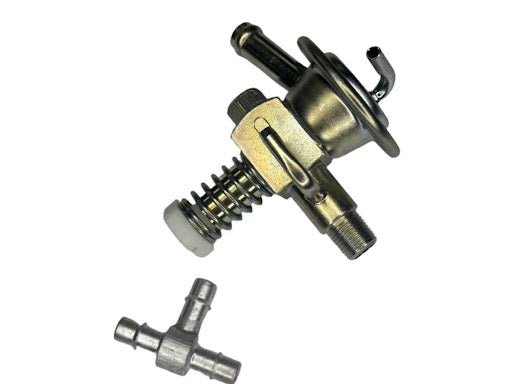
Rebuilding a Toyota engine is a rewarding project that restores performance, reliability, and longevity. One of the most overlooked parts of the process is engine hardware. Yet, these bolts, studs, washers, fasteners, and mounting components hold critical engine assemblies together under extreme heat, pressure, and vibration. Reusing damaged or worn hardware can compromise even the most carefully rebuilt engine. Whether you're rebuilding a classic Toyota engine or refreshing a newer powerplant, replacing questionable hardware should be part of every rebuild plan.
At Yotamasters, Toyota enthusiasts, DIY mechanics, and professional builders can find quality replacement hardware designed specifically for Toyota applications. Using components that match factory specifications helps eliminate installation issues while supporting dependable engine performance for years to come.
Why Engine Hardware Matters During a Toyota Engine Rebuild
Engine components experience thousands of heating and cooling cycles throughout their service life. During disassembly, many fasteners show signs of corrosion, stretched threads, rounded heads, or damaged coatings that may not be obvious until reinstallation. Installing compromised hardware increases the likelihood of improper torque, oil leaks, gasket failures, and component movement that can shorten the life of the rebuilt engine. Replacing questionable fasteners helps maintain the integrity of every major engine assembly.
Quality replacement hardware also simplifies the rebuilding process. Clean threads, correct dimensions, and proper material strength allow bolts to reach factory torque specifications more consistently. This provides even clamping force across cylinder heads, timing covers, oil pans, intake manifolds, and accessory brackets. Investing in replacement hardware during a rebuild is often far less expensive than repairing damage caused by hardware failure after the engine returns to service.
Complete Engine Hardware Checklist
Before beginning assembly, inspect every fastener removed from the engine and compare it against your replacement parts. Organizing hardware by engine section makes installation easier while reducing the chance of missing critical components. A complete rebuild commonly requires replacement hardware for cylinder heads, valve covers, timing covers, oil pans, water pumps, thermostat housings, intake manifolds, exhaust manifolds, engine mounts, accessory brackets, sensors, pulleys, and other supporting components. Lock washers, flat washers, studs, nuts, spacers, and threaded inserts should also be evaluated before reuse.
Replacing hardware during assembly provides confidence that every component is securely installed according to factory specifications. Builders should verify thread pitch, bolt length, coating compatibility, and torque requirements before installation. Following a checklist also minimizes downtime by preventing delays caused by missing fasteners halfway through the rebuild.
Cylinder Head and Valve Train Hardware
Cylinder head bolts or studs are among the most important components in any rebuild. Many Toyota engines use torque-to-yield fasteners that should not be reused because they permanently stretch during installation. Valve cover bolts, cam cap fasteners, timing components, and related hardware should also be inspected carefully for thread damage and corrosion before reassembly.
Front Cover and Oil System Hardware
The timing cover, oil pump, oil pan, water pump, and front engine accessories rely on properly torqued fasteners to maintain sealing surfaces and alignment. Replacing worn bolts and damaged washers reduces the likelihood of oil or coolant leaks while ensuring these components remain secure throughout normal engine operation.
How to Choose the Right Engine Hardware
Selecting replacement hardware begins with choosing parts specifically designed for the Toyota engine being rebuilt. Fastener dimensions, thread pitch, material grade, and finish all influence durability and installation accuracy. Using universal hardware from a local store may seem convenient, but slight differences in dimensions or strength ratings can affect torque readings and long-term reliability. Matching original equipment specifications helps ensure proper fit and performance.
Builders should also consider purchasing complete hardware kits whenever available. Complete kits reduce the risk of overlooking smaller fasteners and help maintain consistency across the rebuild. Purchasing from Toyota specialists also provides confidence that each component is intended for the engine platform rather than relying on generic alternatives that may not meet factory requirements.
OEM Fit and Material Quality
Look for hardware manufactured to meet or exceed factory specifications. High-quality materials resist corrosion, maintain clamping force, and perform consistently under repeated thermal cycling. Proper coatings also improve long-term durability without affecting torque accuracy during installation.
Organized Hardware Kits
Engine rebuilds involve dozens of fasteners with different lengths and thread sizes. Organized hardware kits simplify inventory management while reducing installation mistakes. Having every required component available before assembly helps complete the rebuild more efficiently.
Common Engine Hardware Mistakes to Avoid
One of the most common rebuilding mistakes is assuming every original fastener can safely be reused. Although some hardware remains serviceable, others may have stretched beyond specification, developed hidden cracks, or experienced thread wear after years of operation. Mixing old and new hardware throughout the engine may also create inconsistent clamping loads that affect gasket sealing and component alignment. Carefully inspecting every fastener reduces these risks before assembly begins.
Another frequent mistake involves improper torque procedures. Fasteners should always be tightened according to Toyota service specifications using calibrated torque tools and the recommended tightening sequence. Applying thread locker where it is not required, lubricating threads incorrectly, or using impact tools during final assembly can alter clamping force and potentially damage expensive engine components.

When Should Engine Hardware Be Replaced?
Engine hardware should be evaluated during every rebuild regardless of the engine's mileage. Hardware exposed to excessive heat, corrosion, chemical contamination, or previous over-torque conditions often loses its ability to maintain proper clamping force. Fasteners with damaged threads, rounded heads, excessive rust, or visible stretching should always be replaced before reassembly. Components removed during major engine disassembly also deserve close inspection since many manufacturers recommend replacing them after removal.
Even when hardware appears visually acceptable, replacement may still be the safest option for critical engine assemblies. Cylinder head fasteners, certain connecting rod bolts, and other high-load components are often designed for limited use. Installing new hardware during a rebuild provides additional peace of mind while helping protect the investment made in machining, new gaskets, bearings, pistons, and other engine components.
Why Buy Toyota Engine Hardware from Yota Masters
Toyota engines require precise fitment, and that is why purchasing hardware from a Toyota-focused supplier offers significant advantages. Rather than sorting through generic fasteners, customers can select components designed specifically for their engine application. This helps reduce installation errors while ensuring compatibility with factory specifications. The available Engine Hardware Collection includes replacement hardware intended to support restoration projects, maintenance, and complete engine rebuilds.
The company has built its reputation by serving Toyota owners who expect dependable replacement parts for both daily drivers and performance builds. By focusing on Toyota platforms, it understands the importance of accurate fitment, reliable inventory, and quality components that help customers complete rebuilds with greater confidence. This experience allows builders to source the hardware they need from a trusted supplier instead of piecing together parts from multiple sources.
Frequently Asked Questions
1. Why is engine hardware important during a Toyota engine rebuild?
Engine hardware secures critical engine components and helps maintain proper torque, sealing, and long-term reliability.
2. Can I reuse old engine hardware?
Some hardware can be reused if it meets factory specifications, but damaged, corroded, or torque-to-yield fasteners should always be replaced.
3. What engine hardware should I replace first?
Prioritize replacing cylinder head bolts, timing cover hardware, oil pan bolts, intake and exhaust manifold fasteners, and any worn washers or studs.
4. How do I know if engine hardware is worn out?
Look for stretched threads, rust, rounded bolt heads, corrosion, or any signs of damage that could affect proper installation.
5. Where can I buy Toyota engine hardware?
Toyota-specific replacement hardware is available through the Engine Hardware Collection, ensuring proper fitment and dependable quality.
Conclusion
Engine hardware plays an essential role in every successful Toyota engine rebuild. Replacing worn, damaged, or questionable fasteners improves assembly accuracy, helps maintain proper torque specifications, reduces the risk of leaks, and supports long-term engine reliability. Following a complete checklist before final assembly also helps prevent costly mistakes that could require extensive repairs later.
Whether you are restoring a classic Toyota, rebuilding an off-road engine, or completing routine maintenance, investing in quality replacement hardware protects your time and your engine. For dependable Toyota-specific replacement components and a comprehensive Engine Hardware Collection, trust Yotamasters to help you complete your rebuild with confidence.