
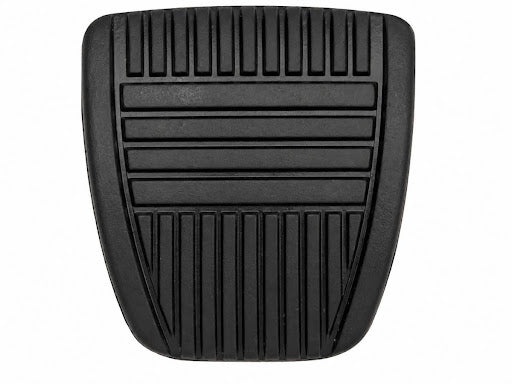
Toyota owners often begin an interior restoration project after years of daily driving, off-road adventures, or exposure to harsh weather. While Toyota vehicles are known for long-term durability, interior components naturally wear over time. Replacing the right parts first helps improve comfort, functionality, and the overall appearance of the cabin without replacing every interior component at once. Whether restoring a classic Toyota pickup or refreshing a newer model, starting with high-impact interior parts provides the best results.
Finding quality replacement parts is just as important as deciding what to replace. Yotamasters specializes in Toyota replacement components designed to fit specific models and generations. Their selection of interior body parts makes it easier for owners to restore factory appearance while maintaining the quality and reliability Toyota enthusiasts expect.
Why Interior Restoration Matters for Toyota Vehicles
A well-maintained interior does more than improve appearance. Interior components protect important systems, create a comfortable driving experience, and help preserve the value of your Toyota. Cracked trim panels, damaged dashboards, broken handles, and worn interior hardware can make an otherwise dependable vehicle feel neglected even if it performs perfectly on the road.
Restoring the cabin also prevents small issues from becoming larger problems. Loose panels may create rattles, broken vents reduce climate control efficiency, and damaged interior pieces can expose wiring or mounting hardware. Addressing these concerns early helps maintain the original functionality of the vehicle while creating a cleaner, more enjoyable driving environment.
Interior Parts You Should Replace First
The best restoration projects focus on the components that receive the most daily use. Prioritizing these items delivers noticeable improvements while keeping the project manageable.
Dashboard Components
Dashboard pieces often experience the greatest amount of sun exposure, making them one of the first interior parts to crack, fade, or warp. Replacing damaged dash panels immediately improves the appearance of the cabin while protecting underlying electrical components and ventilation systems. Toyota owners restoring older trucks and SUVs frequently begin their projects with dashboard replacements because the dashboard serves as the visual centerpiece of the interior.
If your dashboard restoration includes vents, trim panels, or mounting hardware, choosing model-specific replacement parts ensures proper fitment and factory-style installation. For additional options, explore Toyota Dash Components to find compatible parts that match your restoration goals.
Door Panels and Interior Handles
Door panels experience constant use every time passengers enter or exit the vehicle. Over time, armrests become worn, clips break, handles loosen, and trim begins separating from the panel itself. Replacing damaged door panels restores both appearance and usability while eliminating many common interior rattles.
Interior door handles should also be inspected during restoration. Broken handles create inconvenience and may eventually prevent proper door operation. Installing quality replacement handles helps maintain factory functionality while refreshing one of the most frequently touched areas inside the vehicle.
Shift Bezels and Console Trim
Center consoles receive continuous wear from daily driving. Shift bezels become scratched, cup holder areas fade, and console trim often develops cracks after years of use. These highly visible components significantly affect the overall appearance of the interior even when the rest of the cabin remains in good condition.
Replacing worn console pieces provides an immediate cosmetic improvement while restoring the clean factory look Toyota owners appreciate. Matching trim pieces also creates a more consistent appearance throughout the cabin.
Interior Moldings and Trim Pieces
Small trim components are often overlooked during restoration projects, yet they make a noticeable difference once replaced. Pillar trim, kick panels, sill plates, and interior moldings frequently become scratched, broken, or discolored after years of use.
Replacing these finishing pieces helps complete the restoration rather than leaving obvious worn sections throughout the vehicle. Since these parts are designed for specific Toyota models, selecting properly fitting replacements ensures easier installation and a more professional result.
How to Prioritize Your Toyota Interior Restoration Project
Not every Toyota requires a complete interior overhaul. Evaluating the overall condition of the cabin helps determine which components should receive attention first. Start by identifying damaged parts that affect safety, visibility, or daily operation before moving on to cosmetic upgrades. This approach allows owners to spread restoration costs over time while still making meaningful improvements.
A practical restoration plan usually begins with the dashboard, damaged trim, and frequently used hardware before addressing less noticeable cosmetic details. Taking photographs before disassembly, organizing replacement hardware, and purchasing compatible parts for your specific Toyota model also helps prevent delays during installation.
Inspect Before Ordering
Before purchasing replacement parts, inspect every interior component carefully. Some damaged pieces may simply require new mounting clips, while others need complete replacement. Checking surrounding panels at the same time helps prevent multiple orders and ensures compatible components are installed together.
Focus on Factory Fit
Toyota interiors rely on properly aligned panels, clips, and fasteners to eliminate unwanted movement and noise. Choosing replacement parts designed specifically for your model helps maintain original alignment and reduces the need for modifications during installation.
Choosing Quality Toyota Interior Restoration Parts
The quality of replacement parts has a direct impact on the final results of any restoration project. Poorly fitting components may create uneven gaps, loose mounting points, or inconsistent finishes that diminish the overall appearance of the interior. Selecting parts manufactured for specific Toyota applications provides better compatibility and a more factory-like finish. Whether you are completing the work yourself or working with an automobile repair shop, using model-specific parts helps ensure proper installation and long-term reliability.
Experienced Toyota owners often prefer suppliers that specialize exclusively in Toyota vehicles because they understand the differences between model years and trim levels. Access to vehicle-specific components helps simplify restoration planning while reducing compatibility concerns. High-quality replacement parts also provide greater durability, making the restoration last longer under everyday use.

Common Mistakes to Avoid During Interior Restoration
One common mistake is replacing only the most visibly damaged component without inspecting surrounding parts. Installing a new dashboard while leaving broken vents, cracked trim, or worn mounting clips can limit the overall improvement. A complete inspection helps identify related components that should be replaced together for a cleaner final result.
Another frequent issue involves purchasing universal interior parts instead of model-specific replacements. Universal components often require modifications that increase installation time and may not achieve the factory appearance many Toyota owners want. Taking time to verify compatibility before ordering helps avoid unnecessary expenses while improving the overall restoration outcome.
Frequently Asked Questions
Which Toyota interior part should I replace first?
Most restoration projects begin with dashboard components because they experience constant sunlight and become highly visible as they age. After the dashboard, door panels, console trim, and interior handles are usually the next priorities.
Can I restore my Toyota interior gradually?
Yes. Many owners complete restoration projects in stages by addressing the most worn or damaged areas first. This approach makes the project more affordable while allowing steady improvements over time.
How do I know if replacement parts will fit my Toyota?
Always verify your vehicle's model, year, and trim level before purchasing parts. Choosing components specifically designed for your Toyota helps ensure proper installation and factory-style fitment.
Is replacing interior trim worth it?
Replacing worn interior trim improves comfort, appearance, and resale value. It also helps eliminate loose panels, rattles, and damaged components that can affect the overall driving experience.
Conclusion
An interior restoration project is most successful when it begins with the components that experience the greatest wear. Prioritizing dashboards, door panels, console trim, handles, and interior moldings creates noticeable improvements while preserving your Toyota's functionality and original appearance. Taking a structured approach also helps owners complete restoration projects efficiently without replacing unnecessary parts.
Choosing high-quality replacement components ensures better fitment, longer-lasting performance, and results that closely resemble the original factory interior. For Toyota owners looking for dependable interior replacement parts designed specifically for their vehicles, Yotamasters offers a comprehensive selection to support restoration projects of every size.