
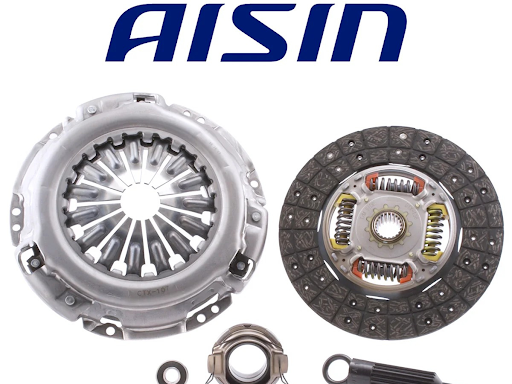
Choosing the right clutch kit, whether you're installing an Aisin clutch kit for a factory-style replacement or considering an upgraded solution for demanding driving conditions, is one of the most important decisions you'll make for your Toyota. A clutch kit that matches your truck's specifications and driving habits delivers smoother shifting, dependable engagement, and long-term reliability. If you're preparing for a clutch replacement or planning a drivetrain upgrade, Yotamasters offers a carefully selected collection of Toyota clutch kits designed for a wide range of Toyota trucks and SUVs, helping you find the right solution with confidence.
Unlike many replacement parts, choosing a clutch kit involves more than selecting your vehicle's year and model. Engine size, transmission type, drivetrain configuration, modifications, and how you use your truck all influence which kit will perform best. Whether you own a Tacoma used for commuting, a Land Cruiser built for overlanding, or a work truck that regularly tows heavy loads, understanding these factors helps prevent compatibility problems and premature wear.
Why Choosing the Correct Clutch Kit Matters
A clutch system transfers engine power to the transmission while allowing smooth gear changes. Because it experiences constant friction and mechanical stress, every component must work together correctly.
How the Wrong Clutch Affects Performance
Installing an incompatible clutch can create problems that extend far beyond poor shifting. Drivers may experience:
-
Clutch slippage under acceleration
-
Harsh or inconsistent engagement
-
Premature clutch wear
-
Increased pedal effort
-
Difficulty changing gears
Even if the parts physically fit, incorrect friction materials or pressure plate specifications can negatively affect drivability.
The Cost of Incorrect Fitment
Ordering the wrong clutch kit for Toyota truck applications often leads to unnecessary expenses. Besides replacement shipping costs, incorrect parts may require removing the transmission a second time, significantly increasing labor costs if the installation is performed by a shop.
Verifying compatibility before ordering helps avoid delays and keeps your repair project on schedule.
Why Toyota-Specific Components Matter
Toyota manual transmissions have evolved over multiple generations. Different engines, transmission models, flywheels, and drivetrain combinations often require different clutch assemblies.
Rather than relying on generic catalogs, Toyota-focused suppliers understand these platform differences and help customers match the correct parts for their exact application.
What Is Included in a Complete Clutch Kit?
A complete clutch replacement kit contains several components designed to work together. Replacing the entire assembly instead of individual parts promotes balanced wear and dependable performance.
Clutch Disc
The clutch disc transfers engine torque to the transmission. Different friction materials are designed for varying driving conditions, from everyday commuting to heavy-duty applications.
Pressure Plate
The pressure plate clamps the clutch disc against the flywheel. Its design determines pedal feel, engagement characteristics, and holding capacity.
Release Bearing
Also called the throwout bearing, the release bearing disengages the clutch when the pedal is pressed. Because it experiences constant movement, replacing it during clutch service is considered best practice.
Pilot Bearing or Bushing
The pilot bearing supports the transmission input shaft. A worn pilot bearing can contribute to vibration, noise, and shifting difficulties.
Alignment Tool
Many complete kits include an alignment tool that helps center the clutch disc during installation, making transmission reinstallation easier.
When Additional Components Should Be Replaced
A clutch replacement is also an ideal opportunity to inspect related drivetrain parts, including:
-
Flywheel
-
Hydraulic slave cylinder
-
Clutch master cylinder
-
Rear main engine seal
-
Transmission input shaft seal
Replacing worn components while the transmission is already removed can reduce future labor costs.
Identify Your Toyota Before Buying
One of the biggest mistakes buyers make is assuming every clutch fits every truck within the same model family.
Model
Different Toyota vehicles require different clutch assemblies, including:
-
Toyota Tacoma clutch kit
-
Toyota pickup clutch kit
-
Toyota Tundra clutch kit
-
Toyota 4Runner clutch kit
-
Toyota T100
-
Toyota Land Cruiser
Even within the same model, different generations may use different clutch designs.
Engine Size
Toyota has offered multiple engine options across its truck lineup. The correct Toyota clutch kit often depends on the engine installed from the factory, making engine identification an essential part of the selection process.
Transmission Type
Manual transmission models use different clutch systems depending on the transmission family. Confirming your transmission model helps eliminate compatibility issues before ordering.
Model Year
Production changes throughout different model years can affect clutch fitment. Small design revisions may require different pressure plates, discs, or release bearings.
VIN Verification
When there is any uncertainty, VIN verification provides an extra level of confidence.
Instead of relying solely on catalog information, Yotamasters helps customers verify compatibility before ordering. Their Toyota-focused product knowledge allows them to identify common drivetrain combinations and recommend the correct parts, helping reduce ordering mistakes and installation delays.

Choose a Clutch Based on How You Drive
Driving style has a major influence on which clutch will deliver the best long-term results.
Daily Commuting
Most daily drivers benefit from an OEM clutch kit that provides smooth engagement, comfortable pedal feel, and factory-like drivability.
A stock-style replacement is often the best choice for trucks that spend most of their time on city streets and highways.
Weekend Trail Driving
Occasional off-road adventures place additional demands on the clutch system. Drivers who regularly explore trails may benefit from a slightly upgraded clutch capable of handling increased heat and traction changes.
Rock Crawling
Rock crawling requires frequent clutch modulation at low speeds. A performance clutch kit designed for higher holding capacity can improve durability under these demanding conditions.
Overlanding
Overland vehicles often carry roof racks, camping gear, recovery equipment, and additional fuel, increasing vehicle weight.
A stronger clutch kit upgrade may provide improved durability for extended trips where reliability is essential.
Heavy Towing
Pulling trailers places significantly more stress on the clutch system.
A heavy duty clutch kit is often worth considering for trucks that regularly tow boats, campers, or utility trailers, especially when combined with larger tires or performance modifications.
Commercial Work Trucks
Construction contractors, landscapers, and service professionals frequently operate their trucks under heavy loads.
Choosing a clutch designed for higher torque capacity can help improve longevity under repeated stop-and-go working conditions.
OEM vs Performance Clutch Kits
Not every truck needs an upgraded clutch. The best choice depends on how the vehicle is used.
Benefits of OEM-Style Clutch Kits
OEM-style clutch kits are designed to restore factory performance.
Advantages include:
-
Smooth engagement
-
Comfortable pedal feel
-
Excellent drivability
-
Reliable daily performance
-
Ideal for stock vehicles
Benefits of Upgraded Clutch Kits
Performance-oriented clutch kits typically provide:
-
Higher torque capacity
-
Improved heat resistance
-
Better durability under demanding use
-
Increased holding power for modified engines
When Heavy-Duty Clutches Are Worth It
A heavy-duty clutch becomes more valuable if your truck regularly experiences:
-
Off-road driving
-
Oversized tires
-
Heavy towing
-
Engine performance upgrades
-
Commercial hauling
When Stock Replacement Is the Better Option
If your Toyota remains close to factory specifications and serves as a dependable daily driver, a quality stock replacement often provides the best balance of comfort, reliability, and longevity.
If you're unsure whether an OEM-style or upgraded clutch best fits your driving habits, comparing your vehicle's setup with Toyota drivetrain specialists before purchasing can help you choose the most appropriate option.
Common Signs It's Time to Replace Your Clutch
Recognizing early symptoms allows you to address problems before they become more serious.
Slipping Clutch
A slipping clutch often causes engine RPM to rise without a matching increase in vehicle speed.
Burning Smell
A noticeable burning odor after climbing hills or towing may indicate excessive clutch heat.
Difficulty Shifting
Hard shifting or gears refusing to engage can point to clutch wear or hydraulic issues.
Pedal Vibration
Vibration through the clutch pedal may indicate worn clutch components or flywheel problems.
Grinding Noises
Grinding while shifting can result from incomplete clutch disengagement or damaged drivetrain components.
Mistakes Toyota Owners Make When Buying Clutch Kits
Choosing the wrong parts can shorten clutch life and create unnecessary installation problems.
Buying Only by Model Year
Production changes during the same model year may result in multiple clutch configurations.
Ignoring Modifications
Lift kits, larger tires, engine upgrades, and towing accessories all influence clutch requirements.
Choosing the Cheapest Option
Lower-priced parts may not provide the durability expected from a quality Toyota manual transmission clutch.
Mixing Incompatible Components
Combining mismatched pressure plates, discs, bearings, or flywheels can create uneven wear and poor engagement.
Replacing Only Part of the System
Replacing only the clutch disc while reusing worn bearings or pressure plates often leads to premature failure.
Because Yotamasters focuses specifically on Toyota drivetrain parts, the team helps customers avoid these common mistakes by matching clutch kits to specific drivetrain combinations instead of relying solely on basic vehicle information.
Should You Replace Other Parts During a Clutch Job?
A clutch replacement is one of the best opportunities to inspect related components.
Flywheel Inspection
The flywheel should always be checked for heat spots, scoring, cracks, or excessive wear. Depending on its condition, resurfacing or replacement may be recommended.
Rear Main Seal
A leaking rear main seal can contaminate the new clutch with engine oil, shortening its lifespan.
Hydraulic Components
Inspecting the clutch master cylinder, slave cylinder, and hydraulic lines helps maintain proper clutch operation.
Transmission Input Shaft Seal
Replacing a leaking input shaft seal prevents gear oil contamination that can damage the new clutch.
How Yotamasters Helps Toyota Owners Choose the Right Clutch Kit
Finding the correct clutch isn't always straightforward, especially for older Toyota pickups, modified trucks, restorations, or vehicles that have undergone drivetrain swaps.
Yotamasters specializes exclusively in Toyota trucks and SUVs, allowing the team to understand many of the drivetrain combinations found across Tacoma, Pickup, T100, Tundra, 4Runner, and Land Cruiser platforms. Rather than offering generic automotive parts, the company carefully selects clutch kits intended for Toyota-specific applications.
Customers can receive guidance confirming compatibility based on important details such as engine, transmission, production year, and intended vehicle use. This approach helps reduce ordering mistakes while giving DIY mechanics and professional installers greater confidence before beginning a clutch replacement.
In addition to clutch kits, customers can also find related Toyota drivetrain parts, transmission components, flywheels, bearings, engine parts, performance upgrades, and other components that support a complete repair or restoration project.
Find the Right Clutch Kit for Your Toyota
Before placing your order, compare available options based on your Toyota's exact specifications rather than selecting a clutch based only on the model name.
Whether you're restoring an older pickup, maintaining a dependable commuter, upgrading an overland build, or preparing a truck for towing duties, choosing the correct clutch kit replacement helps improve long-term reliability and driving confidence.
Browse compatible clutch kits alongside related drivetrain components, flywheels, bearings, and transmission parts to complete your repair with matching components.
Frequently Asked Questions
How do I know which clutch kit fits my Toyota truck?
Confirm your model, year, engine, transmission, and drivetrain configuration. Using your VIN or consulting a Toyota parts specialist helps verify compatibility.
Should I choose an OEM or performance clutch kit?
OEM-style kits are ideal for stock daily drivers, while performance and heavy-duty options are better suited for towing, off-road driving, or modified vehicles.
What is included in a complete clutch kit?
Most kits include a clutch disc, pressure plate, release bearing, pilot bearing or bushing, and sometimes an alignment tool.
Can I replace only the clutch disc?
Replacing the complete kit is generally recommended because all components wear together.
How long does a Toyota clutch typically last?
Many factory clutch systems exceed 100,000 miles under normal driving, although towing, off-road use, and driving habits significantly affect lifespan.
Should I replace the flywheel during clutch replacement?
Always inspect the flywheel. Depending on its condition, resurfacing or replacement may be necessary.
Does off-road driving require a different clutch kit?
Frequent rock crawling, towing, or overlanding may justify a heavy-duty or performance clutch for improved durability.
Can compatibility be verified before ordering?
Yes. Providing your vehicle details, engine, transmission, and VIN helps confirm you're selecting the correct parts.
Choose with Confidence
Selecting the right Aisin clutch kit or other compatible clutch solution involves more than finding a part that fits. Understanding your Toyota's drivetrain, how you use the vehicle, and whether any modifications have been made helps ensure reliable performance for years to come.
Whether you're looking for a stock replacement, a performance upgrade, or a heavy-duty solution for demanding conditions, taking the time to choose the correct components is a worthwhile investment. When you're ready to shop, Yotamasters provides Toyota-specific expertise, carefully selected clutch kits, and knowledgeable customer support to help you confidently choose the right solution for your truck.