
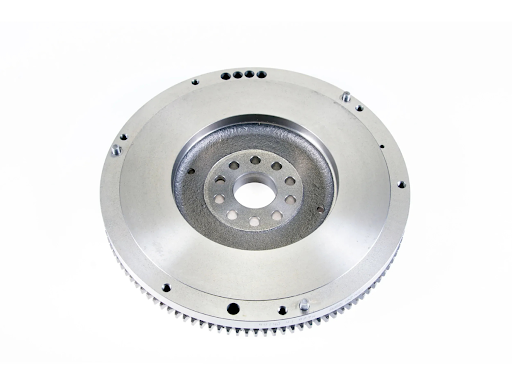
Replacing a Toyota flywheels during clutch service is critical to maintaining smooth shifting, reliable clutch engagement, and long-term drivetrain performance. Whether you drive a Tacoma, 4Runner, Land Cruiser, Pickup, or another manual-transmission Toyota, choosing quality Toyota flywheels helps prevent clutch chatter, premature wear, and costly repeat repairs.
At Yotamasters, Toyota drivetrain components are the primary focus, with extensive experience in Toyota transmissions, clutch systems, and drivetrain rebuilds helping owners select flywheels that meet factory specifications for dependable fitment and long-term durability. This guide explains when a flywheel can be resurfaced, when replacement is the better option, and how to make the right choice for your Toyota.
What Does a Toyota Flywheels Do?
A Toyota flywheel stores rotational energy and transfers engine power to the transmission by providing the friction surface for the clutch disc. Working with the clutch assembly, it helps deliver smooth engagement, reliable shifting, and consistent power transfer during acceleration and gear changes.
Because the flywheel is constantly exposed to heat and friction, wear such as scoring, hot spots, or warping can cause clutch chatter, vibration, gear grinding, and premature clutch wear. Inspecting the flywheel during every clutch replacement helps identify damage early, ensuring optimal clutch performance, longer component life, and reliable drivetrain operation.
Why Flywheels Condition Matters During a Clutch Replacement
Replacing a clutch requires removing the transmission, making it the ideal time to inspect the flywheel before installing new components. Over time, heat and friction from everyday driving, towing, off-road use, stop-and-go traffic, and steep climbs gradually wear the flywheel surface, creating hot spots, uneven wear, or warping that can affect clutch performance.
A flywheel with an uneven or damaged surface can cause clutch chatter, vibration, inconsistent engagement, difficult shifting, and premature wear of the new clutch, even if the rest of the clutch assembly is brand new. Before deciding whether resurfacing is appropriate, technicians should measure the flywheel's thickness, runout, and overall condition to ensure it remains within Toyota's specifications.
Inspecting the flywheel alongside the clutch, pressure plate, and related drivetrain components during every clutch replacement can help maximize clutch life, reduce the risk of repeat repairs, and maintain smooth, reliable performance for Toyota trucks and SUVs.
Common Signs Your Toyota Flywheels Needs Attention
-
Clutch chatter: Shuddering or vibration during takeoff often indicates an uneven or worn flywheel surface.
-
Burning smell: A persistent burning odor may signal excessive heat from clutch slippage that can damage the flywheel.
-
Hot spots or blue discoloration: These marks indicate overheating that can affect clutch engagement and flywheel performance.
-
Cracks: Visible cracks weaken the flywheel's structure and require replacement rather than resurfacing.
-
Excessive scoring: Deep grooves can interfere with clutch operation, while light scoring may be repairable through resurfacing.
-
Gear engagement issues: Difficulty shifting into first gear or reverse may result from a damaged flywheel preventing smooth clutch disengagement.
-
Excessive vibration: Vibrations through the clutch pedal, shifter, or floor can indicate a warped or unbalanced flywheel.
-
Unusual noises: Grinding, rattling, or scraping sounds during clutch operation may point to flywheel or ring gear damage.
When Can a Toyota Flywheels Be Resurfaced?
A Toyota flywheel can be resurfaced if it has only minor wear and remains within the manufacturer's machining specifications. Before machining, technicians should inspect the flywheel for thickness, runout, heat damage, cracks, and overall structural integrity rather than relying on its appearance alone.
Flywheels with light glazing, shallow surface marks, or minor scoring are often good candidates because precision machining can restore a smooth, even friction surface for the new clutch. However, resurfacing is only recommended if removing material will not reduce the flywheel below Toyota's minimum thickness specification, as excessive machining can affect clutch geometry, engagement, and durability.
A qualified machine shop should perform the resurfacing using precision equipment to maintain proper flatness and balance. When completed correctly, resurfacing provides consistent clutch engagement, helps reduce chatter, extends clutch life, preserves factory fitment, and offers a cost-effective alternative to replacement when the flywheel remains structurally sound.
When Should a Toyota Flywheels Be Replaced?
A Toyota flywheel should be replaced whenever inspection reveals damage that cannot be safely corrected through resurfacing. Structural heat cracks, excessive wear beyond Toyota's specifications, significant warping, broken ring gear teeth, or a flywheel that has worn below the minimum allowable thickness all indicate that replacement is the safer and more reliable option.
Severe impact damage, deep corrosion, broken mounting holes, or balance issues also compromise the flywheel's integrity and should not be ignored. Installing a new clutch against a damaged flywheel can lead to clutch chatter, vibration, poor engagement, premature clutch wear, and the need to remove the transmission again for additional repairs.
Considering the labor involved in accessing the clutch assembly, replacing a compromised flywheel during clutch service is often the most cost-effective long-term decision. A new flywheel restores the correct dimensions, balance, and friction surface, helping ensure smooth clutch operation, dependable shifting, and long-lasting drivetrain reliability.
Replacement vs. Resurfacing Comparison
Choosing between resurfacing and replacing a flywheels depends on its condition, manufacturer specifications, and how your Toyota is used. Resurfacing is a cost-effective option for flywheels with minor wear that remain within machining limits, while replacement is the better choice for flywheels with cracks, warping, excessive heat damage, or significant wear.
Although replacement costs more upfront, it provides greater reliability, longer service life, and consistent clutch performance, especially for high-mileage, towing, and off-road vehicles. Before reinstalling any flywheels, perform a thorough inspection. If replacement is necessary, choose Toyota flywheels designed for proper fitment, dependable performance, and compatibility with your vehicle's drivetrain.

Why Quality Toyota Flywheels Make a Difference
Choosing high-quality Toyota flywheels helps ensure smooth clutch engagement, reliable shifting, and long-term drivetrain performance. Precision machining, proper balancing, OEM-compatible fitment, and durable materials reduce vibration, resist warping and wear, and support consistent clutch operation for daily driving, towing, off-road use, and other demanding conditions.
A properly manufactured flywheel also helps extend clutch life by providing a stable friction surface and dependable performance. Toyota-specific drivetrain components include flywheels, clutch kits, transmission parts, bearings, seals, and related components designed for reliable fitment and long-lasting performance across a wide range of Toyota vehicles.
Should You Replace the Flywheels Whenever You Install a New Clutch?
Replacing the flywheel with every new clutch is not always necessary, but it should always be carefully inspected during clutch service. Technicians evaluate its surface condition, heat damage, thickness, runout, ring gear, and overall structural integrity to determine whether resurfacing or replacement is the better option.
High-mileage vehicles, frequent towing, off-road driving, stop-and-go traffic, and performance upgrades can accelerate flywheel wear, making replacement a smarter long-term investment. Addressing flywheel issues during clutch replacement helps prevent premature clutch failure, reduces the risk of repeat transmission removal, and ensures smoother engagement, reliable shifting, and improved drivetrain durability.
Choosing the Right Toyota Flywheels for Your Vehicle
Choosing the right Toyota flywheel means ensuring compatibility with your engine, manual transmission, and clutch system rather than simply matching the model year. Your driving habits should also influence your decision, as daily drivers, tow rigs, and off-road vehicles require flywheels built to handle different levels of stress and heat.
For the best results, consider the entire clutch and drivetrain system during repairs instead of replacing individual components. The Toyota Flywheel Collection offers Toyota-specific flywheels and compatible drivetrain components, making it easier to find reliable parts designed for proper fitment, smooth performance, and long-term durability.
Frequently Asked Questions
How do I know if my Toyota flywheels needs replacing instead of resurfacing?
Replace the flywheel if it has cracks, warping, excessive wear, damaged ring gear teeth, or is below the manufacturer's minimum thickness.
Can a Toyota flywheels be resurfaced more than once?
Yes, but only if it remains within the manufacturer's minimum thickness and machining specifications.
Should I replace the flywheels every time I replace the clutch?
No, but the flywheel should always be inspected and replaced if it shows significant wear or damage.
What causes Toyota flywheels to wear out?
Normal clutch use, towing, aggressive driving, off-road use, overheating, and high mileage all accelerate flywheel wear.
Can a damaged flywheels affect shifting?
Yes, a damaged flywheel can cause clutch chatter, vibration, poor engagement, and difficult gear shifting.
Why choose a Toyota-specific replacement flywheels?
A Toyota-specific flywheel provides the correct fit, balance, and compatibility for reliable clutch performance and drivetrain durability.
Final Thoughts
Choosing between Toyota flywheels resurfacing and replacement depends on the flywheel's condition, manufacturer specifications, and your Toyota's intended use. While minor wear may be corrected through professional resurfacing, flywheels with cracks, warping, excessive heat damage, or structural wear should be replaced to protect your new clutch and maintain reliable drivetrain performance.
Inspecting the flywheels during every clutch service helps extend clutch life and prevent costly future repairs. When replacement is the best option, choose Toyota flywheels designed for your specific application. Yotamasters offers Toyota-specific flywheels engineered for dependable fitment, lasting durability, and consistent clutch performance you can trust.