
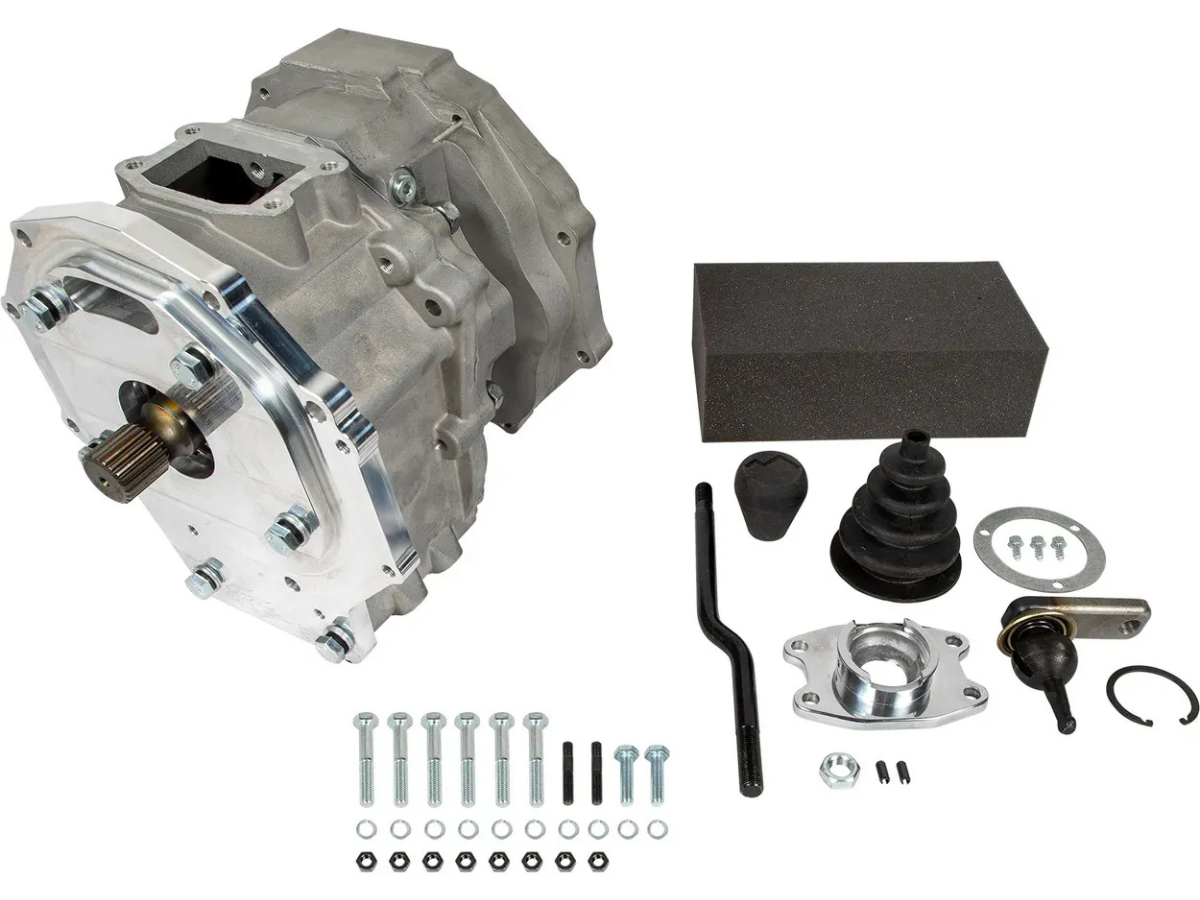
Understanding how to rebuild transfer case systems is essential for Toyota 4WD owners who want to maintain strong off-road capability and long-term drivetrain reliability. Whether you're a DIY mechanic or a workshop enthusiast, this guide walks you through every important stage of the process in a clear, practical way.
At Yotamasters, Toyota drivetrain specialists often see owners struggle with transfer case issues that could have been prevented or repaired early with proper knowledge. This article breaks down everything, from diagnosis to full rebuild, so you can confidently restore performance while also identifying the right Toyota drivetrain components and replacement parts when needed.
A properly functioning transfer case ensures smooth power distribution between the front and rear wheels, working closely with the Toyota driveshaft and axle system. When it fails, your entire 4WD system is affected.
What Is a Toyota Transfer Case and How It Works
A Toyota transfer case is a key part of the 4WD or AWD system. Its main job is to split power from the transmission and send it to both the front and rear axles. This allows your vehicle to maintain traction on rough terrain, mud, snow, or off-road conditions.
Inside the system, gears, chains, and shafts work together to transfer torque. The transfer case is directly connected to the transmission on one side and the Toyota driveshaft on both the front and rear sides. This connection ensures a balanced power distribution under varying driving conditions.
In simpler terms, when you switch your Toyota into 4WD mode, the transfer case engages and distributes power evenly so all wheels can pull together. Without it, your vehicle would operate as a standard 2WD system.
Understanding this function is important before learning how to rebuild transfer case components, as every part inside plays a role in drivetrain balance and performance.
Common Signs of a Failing Transfer Case
Before starting a repair or rebuild, it’s important to identify whether the transfer case is actually the problem. Many Toyota owners mistake drivetrain issues for transmission or axle failures.
Here are the most common symptoms:
1. Grinding or Whining Noises
Unusual sounds often indicate worn gears or failing bearings inside the transfer case. These noises may become louder when switching between 2WD and 4WD.
2. Difficulty Shifting Into 4WD
If your Toyota struggles to engage or disengage 4WD mode, internal linkage or gear damage may be present.
3. Fluid Leaks
Transfer case fluid leaks are a serious warning sign. Low fluid levels can quickly lead to internal damage.
4. Vibrations in the Drivetrain
A worn transfer case can cause vibrations that travel through the Toyota driveshaft system, especially at higher speeds.
Recognizing these 4WD transfer case symptoms early can help prevent costly full replacements.
Tools and Parts Needed for Rebuilding
Before starting a Toyota transfer case rebuild, preparation is key. Having the right tools and components ensures a smoother and safer repair process.
Basic Tools
-
Socket and wrench set
-
Torque wrench
-
Screwdrivers and pry tools
-
Snap ring pliers
-
Seal puller
-
Rubber mallet
Replacement Parts
-
Bearing kits
-
Seal kits
-
Gaskets
-
Gear sets (if needed)
-
High-quality transfer case fluid
Using reliable transfer case repair Toyota parts is critical. Low-quality components often lead to premature failure or repeated repairs.
Check compatible Toyota transfer case parts here before starting your rebuild to ensure correct fitment and performance.
Step-by-Step Guide to Rebuilding a Toyota Transfer Case
Rebuilding a transfer case requires patience, attention to detail, and proper sequencing. Below is a simplified breakdown of the process.
Step 1: Vehicle Preparation and Safety
Park the vehicle on a flat surface, engage the parking brake, and disconnect the battery. Lift the vehicle securely using jack stands.
Step 2: Removal Process
Remove the driveshafts connected to the transfer case. Carefully disconnect wiring, sensors, and mounting bolts. The Toyota driveshaft alignment should be marked to ensure correct reinstallation later.
Step 3: Disassembly and Inspection
Once removed, open the transfer case housing. Inspect gears, chains, bearings, and shafts for wear or damage. This is where most Toyota transfer case rebuild decisions are made.
Step 4: Replacing Worn Components
Replace all damaged seals, bearings, and worn gears. Even if some parts look usable, replacing them ensures long-term reliability.
Step 5: Reassembly Process
Reassemble the unit carefully, ensuring proper torque is applied to all bolts. Incorrect torque can lead to leaks or gear misalignment.
Step 6: Reinstallation
Reinstall the transfer case into the vehicle. Reconnect the Toyota drivetrain components, including driveshafts, wiring, and mounting brackets.
Step 7: Testing
Fill with the correct fluid and test the system. Shift through all 4WD modes and check for leaks or unusual sounds.
Find high-quality replacement components for your rebuild to ensure smooth operation and long-lasting performance.

Common Mistakes to Avoid During Rebuild
Even experienced mechanics can make errors during a transfer case rebuild. Avoiding these mistakes can save time and money:
Incorrect Torque Settings
Over-tightening or under-tightening bolts can cause internal damage or fluid leaks.
Reusing Damaged Bearings
Old bearings may look fine, but often fail shortly after reassembly.
Poor Sealing Practices
Improper gasket installation leads to leaks and contamination.
Ignoring Driveshaft Alignment
Failing to properly align the Toyota driveshaft can cause vibration and uneven wear across the drivetrain.
Attention to detail is critical when working on 4WD repair guides and drivetrain systems.
When to Rebuild vs Replace the Transfer Case
Not every transfer case issue requires a full rebuild. In some cases, replacement is more practical.
Rebuild is Best When:
-
Damage is limited to bearings or seals
-
Gear wear is minimal
-
The cost of parts is lower than the replacement cost
Replacement is Better When:
-
Housing is cracked or severely damaged
-
Multiple gear failures exist
-
Labor costs exceed rebuild value
A rebuild is often more affordable, but severe damage may justify full replacement depending on condition and budget.
Where to Find Reliable Toyota Transfer Case Parts
Choosing the right parts is one of the most important steps in any repair. Low-quality components can compromise the entire drivetrain system.
For dependable transfer case components, it’s important to choose suppliers that specialize in Toyota systems and offer verified compatibility.
Explore trusted Toyota drivetrain parts here:
https://www.yotamasters.com//collections/transfer-case
This collection includes seals, bearings, rebuild kits, and other essential components designed specifically for Toyota 4WD systems. Using quality parts ensures smoother operation, longer lifespan, and better off-road performance.
You can also explore related resources such as:
-
Toyota drivetrain components guides
-
Driveshaft maintenance tips
-
4WD repair guides
-
Differential repair support articles
These resources help ensure every part of your drivetrain works together efficiently.
FAQ
1. How long does it take to rebuild a Toyota transfer case?
Typically 4–8 hours, depending on experience and vehicle model.
2. What are the most common causes of transfer case failure?
Low fluid, worn bearings, and drivetrain misalignment.
3. Can I drive with a bad transfer case?
It is not recommended as it may damage the Toyota driveshaft and other drivetrain components.
4. How much does it cost to rebuild a Toyota transfer case?
Costs vary but usually range from moderate DIY part costs to higher professional repair fees.
5. Do I need to replace the driveshaft when rebuilding the transfer case?
Not always, but inspection is recommended to ensure the Toyota driveshaft is not damaged or misaligned.
Final Thoughts
Learning how to rebuild transfer case systems is a valuable skill for any Toyota owner who wants to maintain control, reliability, and performance in all driving conditions. While the process requires careful attention and the right tools, it becomes much more manageable when broken down step by step.
By understanding symptoms early, using proper techniques, and selecting high-quality parts available at Yotamasters, you can significantly extend the life of your 4WD system.
A successful transfer case rebuild not only restores performance but also strengthens the entire drivetrain, ensuring your Toyota is ready for both daily driving and off-road challenges.