
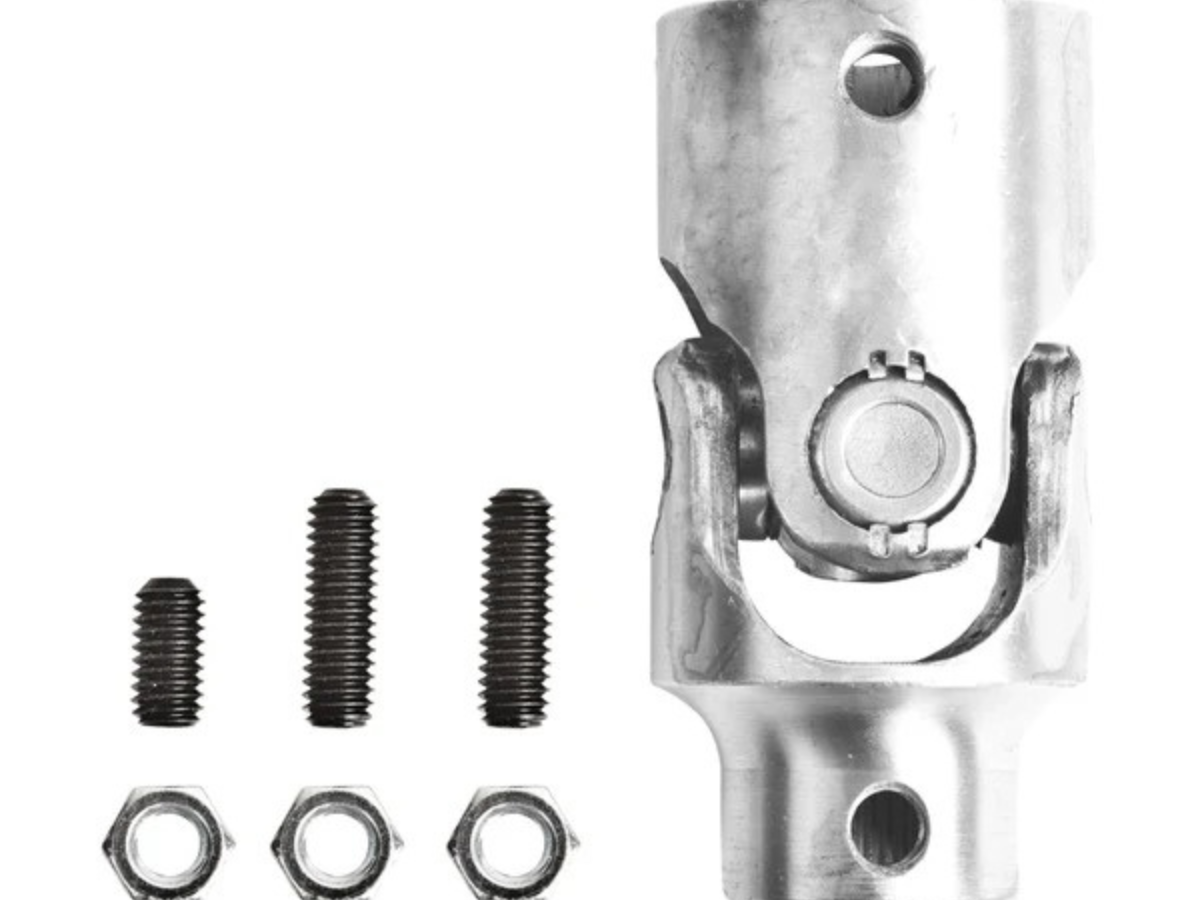
When it comes to maintaining or upgrading a Toyota driveshaft, the small hardware components often make the biggest difference in performance and reliability. Many Toyota owners focus on engines, suspension, or tires, but the driveline is what actually transfers power to the wheels. If any part of it fails, the entire vehicle can experience vibration, noise, or even a breakdown.
This is where quality matters. Brands like Yotamasters specialize in Toyota-specific driveline components, offering hardware and U-joints designed for durability, proper fitment, and long-term performance. Choosing the right parts is not just about replacing worn pieces, it’s about preventing future driveline issues.
This guide breaks down Toyota driveshaft hardware, compares OEM and aftermarket options, and helps you choose the best components for your driving needs.
Understanding Toyota Driveshaft Hardware
Driveshaft hardware may look simple, but it plays a critical role in keeping your Toyota’s driveline stable and efficient.
What driveshaft hardware does in Toyota vehicles
The driveshaft transfers engine torque to the differential, allowing the wheels to move. Hardware like U-joints, bolts, straps, and center bearings keep this system aligned and secure. Without strong hardware, the driveshaft can loosen or misalign under stress.
Why hardware quality matters for driveline performance
Low-quality hardware can lead to:
-
Vibration at highway speeds
-
Clunking noises during shifting
-
Premature wear of the driveshaft
-
Dangerous driveline failure under load
Toyota vehicles are known for reliability, but even the strongest systems depend on small, high-stress parts working correctly.
Common components in a Toyota driveshaft system
-
U-joints (universal joints)
-
Mounting straps and bolts
-
Center support bearings (on some models)
-
Flanges and yokes
Each part plays a role in maintaining balance and torque transfer.
Types of Toyota U-Joints Explained
U-joints are one of the most important wear items in any toyota driveshaft system. They allow the driveshaft to flex while maintaining power delivery, and knowing how to replace U-joints on Toyota trucks helps ensure proper maintenance.
OEM Toyota U-Joints
OEM (Original Equipment Manufacturer) U-joints are designed to match factory specifications exactly.
Factory specifications
Toyota OEM U-joints are built for:
-
Stock ride height
-
Factory torque levels
-
Normal on-road driving conditions
Pros and limitations
Pros:
-
Perfect fitment
-
Smooth operation
-
Quiet performance
Limitations:
-
Not ideal for heavy off-road use
-
Limited reinforcement for towing or lifted setups
OEM parts are best for daily drivers who want to restore original performance.
Heavy-Duty Aftermarket U-Joints
Heavy-duty aftermarket options are designed for strength and endurance.
Strength and durability comparison
These U-joints typically feature:
-
Hardened steel construction
-
Larger bearing caps
-
Improved grease channels
Best use cases
They are ideal for:
-
Off-road Toyota trucks
-
Lifted suspension setups
-
Heavy towing or hauling
-
Performance builds
For drivers who push their vehicles harder than they were designed for, heavy-duty U-joints provide better long-term value.
Greasable vs Non-Greasable U-Joints
Another important comparison is maintenance style.
Greasable U-joints
-
Allow regular lubrication
-
Extend lifespan when maintained
-
Slightly more maintenance required
Non-greaseable U-joints
-
Sealed for life design
-
No maintenance needed
-
More resistant to contamination
If you prefer long-term maintenance control, greasable options are better. If you want simplicity, sealed U-joints are more convenient.
Best Driveshaft Hardware for Toyota Vehicles
Choosing the right hardware goes beyond U-joints. Supporting components are equally important.
Bolts and Straps
These secure the U-joints to the driveshaft and differential.
OEM vs upgraded options
OEM bolts are sufficient for stock setups, but upgraded hardware offers:
-
Higher torque resistance
-
Reduced loosening under vibration
-
Better performance in off-road conditions
Torque and safety considerations
Improper torque is a common cause of driveline failure. Always follow manufacturer specifications to avoid loosening or over-tightening.
Center Support Bearings
Some Toyota models use a two-piece driveshaft supported by a center bearing.
When replacement is needed
-
Vibrations under acceleration
-
Grinding or humming noises
-
Visible rubber cracking
Signs of wear
A failing center bearing can cause:
-
Driveshaft misalignment
-
Increased stress on U-joints
-
Poor driveline balance
Replacing it early prevents larger driveline damage.
Complete Hardware Kits vs Individual Parts
Cost comparison
-
Individual parts: Lower upfront cost, but may miss worn components
-
Complete kits: Higher initial cost but better long-term reliability
Installation convenience
Full kits simplify installation because all components are matched for compatibility, reducing guesswork during repair.

OEM vs Aftermarket Toyota Driveshaft Parts
Understanding the differences between OEM and aftermarket helps you make the right decision.
Performance comparison
-
OEM: Smooth, factory-level performance
-
Aftermarket: Enhanced strength and durability
Durability differences
Aftermarket components often last longer under:
-
Off-road conditions
-
Heavy towing
-
Modified suspension setups
Cost-benefit analysis
OEM parts are ideal for restoring stock vehicles, while aftermarket options offer better long-term value for demanding use.
When to upgrade vs stay OEM
Stay OEM if:
-
You drive mostly on highways
-
Your vehicle is stock
Upgrade if:
-
You tow regularly
-
You go off-road
-
You have lifted the suspension
Check Toyota-compatible driveshaft hardware options here
Explore quality-tested components here:
https://www.yotamasters.com/collections/driveshaft-hardware
Signs You Need Driveshaft Hardware Replacement
A failing driveshaft system usually shows warning signs before complete failure.
Common symptoms include:
-
Clunking noise when shifting gears
-
Vibrations at certain speeds
-
Difficulty accelerating smoothly
-
Rust or visible wear on joints
-
Loose or failing U-joints
Ignoring these signs can lead to driveline failure, which is far more expensive to repair.
How to Choose the Right Toyota Driveshaft Hardware
Choosing the right parts depends on several factors.
Vehicle model compatibility
Not all Toyota driveshaft hardware fits every model. Always verify with your specific vehicle (Tacoma, 4Runner, Tundra, etc.).
Driving conditions
-
Daily driving → OEM or standard replacement parts
-
Off-road use → Heavy-duty reinforced components
-
Towing/heavy loads → Upgraded U-joints and bolts
Load and towing requirements
Heavier loads place more stress on U-joints and mounting hardware, requiring stronger materials.
Budget vs longevity balance
Cheaper parts may save money upfront, but premium components often reduce long-term repair costs.
Recommended Toyota Driveshaft Hardware Options
High-quality Toyota-specific driveline parts are designed to match factory fitment while improving durability.
Yota Masters offers:
-
Toyota-compatible U-joints
-
Reinforced driveshaft bolts and straps
-
Center support bearings
-
Complete driveline hardware kits
These components are selected for:
-
Proper OEM fitment
-
Off-road durability
-
Long service life
-
Reduced vibration issues
Choosing the right parts ensures your driveline stays stable under real-world driving conditions.
Installation & Maintenance Tips
Proper installation is just as important as the quality of the part.
Torque specifications importance
Incorrect torque can cause:
-
Loose bolts
-
Premature wear
-
Driveshaft imbalance
Always follow Toyota service specifications.
Lubrication guidelines
For greasable U-joints:
-
Lubricate every oil change or off-road trip
-
Use high-quality chassis grease
Inspection intervals
Check your driveline every:
-
5,000–10,000 miles for daily drivers
-
After off-road trips or towing sessions
FAQ
1. What is the most common Toyota driveshaft failure part?
The U-joint is typically the most common component that wears out due to constant rotation and stress.
2. Are OEM Toyota U-joints better than aftermarket ones?
OEM parts offer guaranteed fitment, but high-quality aftermarket U-joints can provide improved strength and durability, especially for off-road or heavy-duty use.
3. How long do Toyota driveshaft U-joints last?
On average, 80,000–150,000 km depending on driving conditions, maintenance, and load stress.
4. What are the signs of a bad driveshaft U-joint?
Clunking noises, vibration at speed, and uneven acceleration are common warning signs.
5. Can I replace just the U-joint instead of the whole driveshaft?
Yes, in most Toyota vehicles, U-joints can be replaced individually if the driveshaft is otherwise in good condition.
6. What is better: greasable or sealed U-joints?
Greasable U-joints last longer with maintenance, while sealed ones require less upkeep but may wear faster under heavy use.
Final Thoughts
Toyota driveline systems are built for reliability, but they rely heavily on small components such as U-joints and mounting hardware. Understanding the difference between OEM and aftermarket options helps you avoid unnecessary failures and choose parts that match your driving needs.
Whether you're restoring factory performance or upgrading for off-road strength, selecting the right hardware ensures smoother operation, better durability, and long-term reliability for your Toyota driveshaft system, especially when using trusted components from Yotamasters.
For Toyota owners who want improved strength and fitment, upgrading key components like driveshaft u joints and related hardware can significantly enhance driveline performance and reduce future repair costs. Upgrade your driveline for better reliability, strength, and long-lasting performance today.