
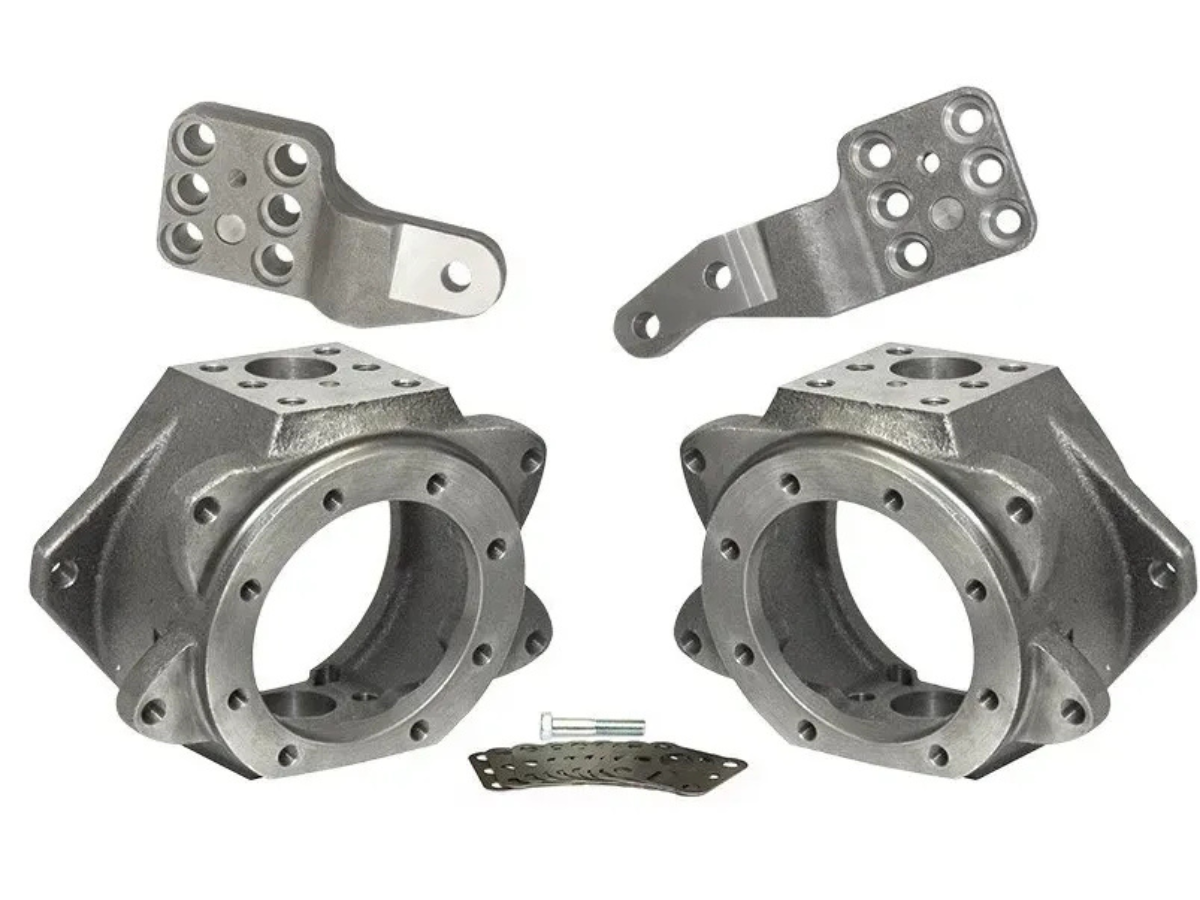
For Toyota truck and SUV owners, understanding the components that keep your vehicle safe and responsive is essential. One critical part often overlooked is the car knuckle. This essential suspension and steering component connects your wheel hub to the suspension system, allowing your wheels to pivot during turns. Over time, normal wear, off-road driving, or harsh conditions can compromise your knuckle, leading to safety risks and steering problems.
Yotamasters specializes in high-quality replacement knuckles designed to restore your vehicle’s suspension performance while ensuring reliable handling and safety. Knowing when to replace this component can prevent costly repairs and keep your Toyota performing at its best.
What Is a Car Knuckle in Toyota Trucks?
The car knuckle, sometimes called a steering knuckle, is a key part of your vehicle's suspension and steering system. It serves as the connection point between the wheel hub, suspension, and steering components. In Toyota trucks and SUVs, the knuckle allows the wheels to pivot smoothly while maintaining alignment with the suspension system.
Essentially, the knuckle acts as a control point for wheel movement. It holds the wheel bearing, connects to control arms, and provides attachment points for tie rods and ball joints. Without a properly functioning knuckle, steering accuracy and suspension stability can deteriorate, making your vehicle unsafe to drive.
Because the car knuckle handles significant stress from turning, braking, and uneven terrain, it is prone to wear over time. Off-road enthusiasts and drivers who frequently haul heavy loads may find their knuckles experience accelerated fatigue. Recognizing the early signs of wear is key to preventing more severe suspension issues.
Signs Your Steering Knuckle Is Failing
Detecting a failing steering knuckle early can save you from costly repairs and potential accidents. Here are the most common symptoms to watch for:
-
Unusual Steering Feel: If your steering feels loose, stiff, or unpredictable, it could indicate that your knuckle or associated components like ball joints, are worn. A worn knuckle may affect how the wheels respond to steering input.
-
Uneven Tire Wear: The car knuckle helps maintain proper wheel alignment. If you notice uneven tire wear, especially on one side, your knuckle may be compromised, which can affect alignment and suspension geometry.
-
Clunking or Knocking Noises: Strange noises from the suspension, particularly when going over bumps or turning, can signal worn ball joints or loose connections at the knuckle.
-
Visible Damage or Rust: Inspecting your knuckles for cracks, rust, or other physical damage is important, especially for vehicles that see off-road use. Any signs of corrosion or metal fatigue indicate replacement is needed.
-
Vibrations While Driving: A failing knuckle can cause vibrations in the steering wheel, especially at higher speeds or during cornering.
Recognizing these symptoms and acting promptly ensures the safety and performance of your Toyota truck or SUV.
OEM vs Heavy-Duty Replacement Knuckles
When replacing a worn knuckle, Toyota owners have two main options: OEM (Original Equipment Manufacturer) or heavy-duty aftermarket knuckles. Understanding the differences can help you make an informed decision.
OEM Knuckles:
-
Manufactured to Toyota’s specifications
-
Offer a direct fit and original design
-
Ideal for everyday driving with standard loads
-
Typically more expensive than aftermarket options
Heavy-Duty Replacement Knuckles:
-
Designed for increased strength and durability
-
Made from reinforced materials to handle off-road conditions and heavy towing
-
May include upgraded features like thicker mounting points or improved bearing housings
-
Often more cost-effective for performance-oriented or off-road vehicles
Heavy-duty knuckles are engineered specifically for Toyota trucks and SUVs. They combine superior durability with precise fitment, providing reliable handling even under demanding conditions.
Why Toyota Owners Choose Yotamasters Knuckle Solutions
High-quality knuckle solutions have earned a strong reputation among Toyota enthusiasts for providing reliable, high-performance replacement components. Here’s why many drivers trust these options:
-
Premium Materials: Each knuckle is made from reinforced steel or alloy, designed to withstand off-road conditions and heavy loads.
-
Precision Engineering: These knuckles are crafted to OEM specifications to ensure proper alignment and fitment with your suspension and steering components.
-
Enhanced Durability: The knuckles resist wear and fatigue, meaning fewer replacements and longer-lasting performance.
-
Comprehensive Support: Installation guidance, technical support, and compatibility checks help ensure the right fit for each Toyota model.
-
Performance-Optimized Upgrades: Some knuckles are part of performance packages that improve suspension travel, off-road clearance, or load handling, making them perfect for enthusiasts and heavy-duty users.
Using high-quality knuckles reduces the risk of steering or suspension failure, helping you maintain both safety and vehicle value over time.

Should You Rebuild or Replace?
When faced with a worn car knuckle, Toyota owners often ask whether rebuilding is sufficient or full replacement is necessary.
Rebuilding a Knuckle:
-
Typically involves replacing worn ball joints or bearings
-
Can restore function for minor wear
-
May not address underlying metal fatigue or cracks
-
Suitable for drivers on a budget with lower-mileage vehicles
Replacing a Knuckle:
-
Guarantees a fresh, structurally sound component
-
Reduces risk of future suspension issues
-
Essential for off-road vehicles, trucks with high mileage, or knuckles with visible damage
-
Heavy-duty replacements enhance durability and handling
For most Toyota trucks and SUVs, replacement with a high-quality aftermarket knuckle is recommended over rebuilding when signs of wear or damage are present. This ensures long-term reliability and safety.
FAQ
How often should I inspect my car's knuckle?
Inspect your knuckles at least once a year, or more frequently if you drive off-road, tow heavy loads, or notice steering or suspension issues.
Can I drive with a worn knuckle?
Driving with a compromised knuckle is unsafe. It can affect wheel alignment, suspension stability, and braking performance, potentially leading to accidents.
Are Yotamasters knuckles compatible with all Toyota trucks?
Yotamasters offers knuckle solutions for a wide range of Toyota trucks and SUVs. Always check compatibility before purchase.
Do heavy-duty knuckles affect ride comfort?
Properly designed heavy-duty knuckles maintain normal ride comfort while providing enhanced strength and durability for demanding conditions.
Is professional installation recommended?
Yes. Installing a car knuckle involves suspension and steering components, making professional installation the safest option.
Conclusion
The car knuckle is a critical car part that ensures smooth steering, stable suspension, and safe vehicle operation. Recognizing signs of wear, such as unusual steering feel, clunking noises, or uneven tire wear, can help Toyota owners avoid serious safety issues. While rebuilding may suffice for minor wear, full replacement is often the safest and most reliable choice, particularly for off-road or heavy-use vehicles.
By choosing Yotamasters’ high-quality knuckles, Toyota owners invest in durability, performance, and peace of mind. Don’t wait until small issues become expensive repairs; replacing the knuckle car part with premium solutions ensures your truck or SUV remains safe, reliable, and ready for any adventure.
Explore high-quality knuckle solutions here: https://www.yotamasters.com//collections/knuckle-service-upgrades.
For Toyota owners considering DIY improvements, check out the Toyota knuckle rebuild kit for minor repairs and maintenance before opting for a full replacement.