
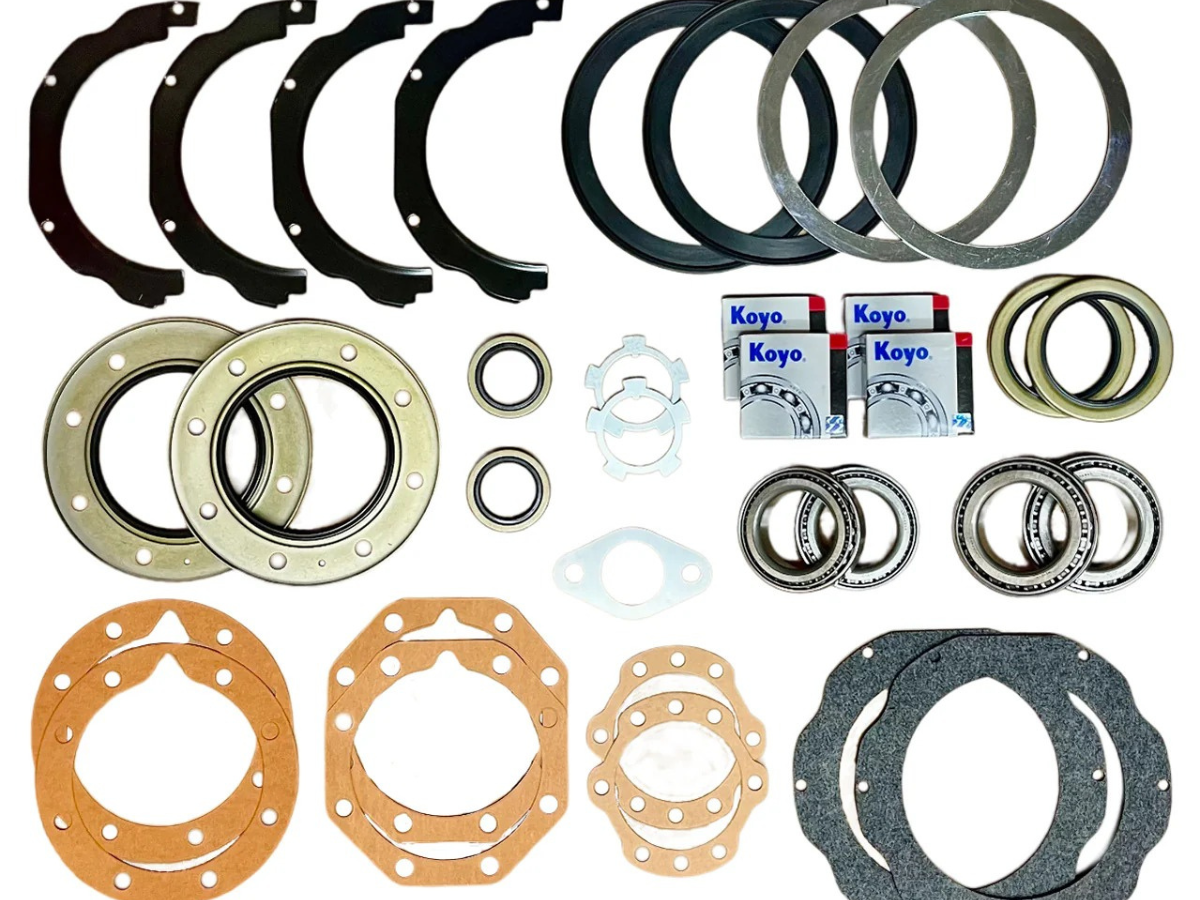
For DIY Toyota enthusiasts, maintaining your vehicle’s suspension and steering system is more than just a necessity; it’s a point of pride. One area that often gets overlooked until it causes noticeable problems is the front knuckle. Investing in a Toyota knuckle rebuild kit can save you money, improve vehicle performance, and give you the satisfaction of a job well done. Yotamasters offers premium rebuild components designed specifically for Toyota models, ensuring quality and longevity for your repair project.
In this guide, we’ll break down what a knuckle rebuild kit includes, when you should consider a rebuild, the benefits of using Toyota-specific components, common mistakes to avoid, and how to pair your rebuild with other drivetrain upgrades.
What’s Included in a Knuckle Rebuild Kit?
A Toyota knuckle rebuild kit typically contains everything needed to restore your front knuckle to like-new condition. While contents can vary slightly depending on the kit, most include:
-
Ball joints – Upper and lower ball joints are critical for maintaining smooth steering and suspension movement. Worn ball joints can cause clunking noises, uneven tire wear, and poor handling, making timely inspection essential.
-
Seals and dust boots – These components protect the internal parts of your steering system from dirt, water, and debris, prolonging their lifespan. Damaged seals or torn dust boots can lead to premature wear, corrosion, and costly repairs if left unchecked.
-
Bearings – High-quality bearings ensure proper rotation of the wheel hub, reducing friction and preventing excess wear on other steering components. Faulty bearings can result in vibrations, grinding noises, and decreased steering performance, compromising vehicle safety.
-
Bolts, washers, and nuts – These essential hardware pieces securely fasten each steering component in place, eliminating the need to source separate parts. Using the correct bolts, washers, and nuts ensures proper alignment and prevents loosening or failure during operation.
-
Instructions/manual – A detailed step-by-step guide, often specific to the Toyota model the kit is designed for, helps ensure proper installation and avoids mistakes. Clear instructions save time, reduce errors, and make even complex steering repairs manageable for DIY enthusiasts or mechanics.
By purchasing a complete kit from a trusted source, you avoid the frustration of hunting down compatible parts individually. Everything is tested to fit together, ensuring a smooth rebuild process.
When Should You Rebuild Your Knuckles?
Not all knuckles need immediate attention, but knowing the warning signs can prevent more costly repairs later. Consider rebuilding your knuckles if you notice any of the following:
-
Excessive play in the steering wheel – If your steering feels loose or sloppy, worn ball joints or bearings could be the culprit.
-
Uneven tire wear – Misaligned knuckles can cause tires to wear unevenly, affecting handling and safety.
-
Knocking or clunking noises – Sounds from the front suspension while turning or driving over bumps indicate worn or failing components.
-
Difficulty maintaining alignment – If you constantly need wheel alignment adjustments, a knuckle rebuild may resolve the underlying issue.
Rebuilding knuckles at the first signs of wear is preferable to waiting for complete failure, which could lead to more extensive damage to suspension and drivetrain components.
Benefits of Using Toyota-Specific Rebuild Kits
While generic kits may seem cheaper, a Toyota-specific rebuild kit comes with several advantages:
-
Perfect fit – Components are designed to match Toyota tolerances, making installation easier and reducing the risk of improper alignment.
-
Durability – Premium parts endure harsh driving conditions, from off-road trails to daily city commutes, ensuring long-lasting performance.
-
Safety – Properly fitting components maintain the integrity of your steering and suspension, which directly impacts vehicle safety.
-
Time-saving – Toyota-specific kits eliminate the guesswork and frustration of mismatched or ill-fitting parts.
-
Enhanced resale value – Maintaining your Toyota with OEM-quality or better components can boost resale value and buyer confidence.
Investing in a Toyota-specific kit ensures your vehicle operates as intended, reducing the risk of premature wear or failure.

Common Mistakes During Knuckle Rebuilds
Even experienced DIY enthusiasts can make mistakes that compromise the success of a car knuckle rebuild. Avoid these pitfalls:
-
Skipping the grease or lubrication – Proper lubrication of ball joints and bearings is essential for smooth operation.
-
Overtightening or undertightening bolts – Torque specifications matter; failing to follow them can lead to component damage or unsafe conditions.
-
Not cleaning components before assembly – Dirt, rust, and debris reduce the lifespan of rebuilt parts. Clean all mating surfaces before installation.
-
Ignoring related components – Often, suspension and steering components like tie rods or control arms also need attention. Ignoring them can lead to premature wear on your rebuilt knuckle.
-
Rushing the process – Taking your time to follow instructions carefully ensures a safer, more effective rebuild.
By paying attention to these details, your Toyota knuckle rebuild will perform reliably and last longer.
Pairing with Other Drivetrain Upgrades
A knuckle rebuild is also an opportunity to upgrade other drivetrain components for enhanced performance. Consider:
-
Transfer case rebuild parts – Rebuilding or servicing your transfer case at the same time ensures synchronized performance across the drivetrain.
-
Upgraded ball joints or bearings – High-performance components can withstand off-road conditions or heavy-duty use better than stock parts.
-
Suspension enhancements – Adding stronger control arms, shock absorbers, or lift kits can complement your rebuilt knuckles and improve handling.
Coordinating a knuckle rebuild with related upgrades maximizes your vehicle’s reliability and performance while providing long-term value.
Frequently Asked Questions
Can I rebuild my Toyota knuckles without professional help?
Yes, with the right tools, a Toyota knuckle rebuild kit, and a detailed manual, most DIY enthusiasts can complete the rebuild safely. Always follow instructions and torque specifications.
How long does a knuckle rebuild take?
Depending on experience, tools, and model, a rebuild can take 2–6 hours. Taking your time ensures precision and reduces the risk of mistakes.
Are Toyota knuckle rebuild kits compatible with all Toyota models?
Kits are designed for specific models and years. Always verify compatibility before purchasing to ensure a proper fit.
Can I reuse old hardware with the new kit?
It’s recommended to use the included bolts, washers, and nuts, as older hardware may be worn or weakened, compromising safety.
How often should knuckles be inspected?
Regular inspections during oil changes or suspension checks help identify wear early. For off-road vehicles, more frequent inspections are advised.
Conclusion
Rebuilding your front knuckles with a Toyota knuckle rebuild kit is a smart choice for DIY enthusiasts who want to save money, maintain performance, and ensure long-term reliability. Kits from Yotamasters provide premium components designed specifically for Toyota models, making installation straightforward and safe. Avoiding common mistakes, pairing with other drivetrain upgrades, and following proper maintenance routines help your Toyota stay on the road longer and perform at its best.
If you’re considering a rebuild, investing in a complete rebuild kit is worth it, not just for the cost savings, but for the peace of mind knowing your vehicle is built to last.