
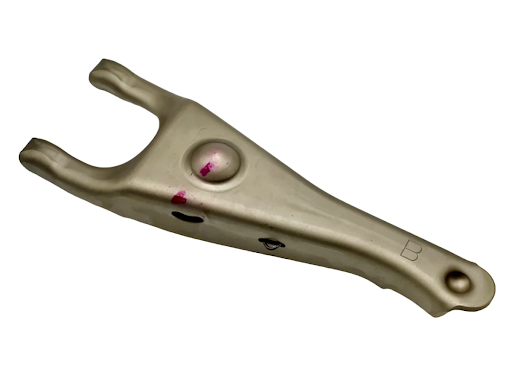
Transmission hardware and clutch hardware are essential to a reliable transmission rebuild, helping maintain proper alignment, torque, and secure connections between critical drivetrain components. While Toyota owners often focus on gears, bearings, clutch discs, and pressure plates, the correct fasteners and supporting hardware are equally important for proper assembly and long-term performance.
At Yotamasters, Toyota-specific drivetrain components are designed to support truck and SUV applications, whether you're restoring a vehicle, upgrading it for off-road use, or repairing a hard-driven transmission. Choosing the right hardware helps ensure every component fits correctly and works together as intended.
What Is Transmission Hardware?
Transmission hardware includes the fasteners and supporting components that secure transmission and clutch parts during installation or rebuilding. These small components help maintain proper alignment and clamping force while handling vibration, shifting loads, and drivetrain movement.
Components Included in Transmission Hardware
Depending on the Toyota transmission application, hardware may include bellhousing bolts, flywheel bolts, pressure plate bolts, crossmember hardware, inspection cover bolts, pivot hardware, clutch fork clips, and washers. Each component serves a specific purpose in keeping the transmission and clutch assembly securely positioned.
Bellhousing Bolts
Bellhousing bolts secure the transmission housing to the engine and help maintain proper alignment between the transmission, input shaft, and clutch assembly. Correctly sized and properly torqued bolts help prevent unwanted movement and alignment problems.
Flywheel and Pressure Plate Bolts
Flywheel bolts secure the flywheel to the engine, while pressure plate bolts attach the clutch assembly to the flywheel. These fasteners experience repeated loads during acceleration and gear changes, making proper fitment and torque essential.
Clutch Fork Hardware
Clutch fork clips, pivot components, and related hardware support the clutch release mechanism. These parts help transfer movement from the clutch system to the release bearing, allowing the clutch to engage and disengage properly.
Why These Small Parts Carry Heavy Loads
Transmission hardware may not transfer engine power directly, but it secures the components responsible for doing so. Acceleration, shifting, towing, and off-road driving can place significant stress on drivetrain connections. Using the correct hardware with the proper specifications helps maintain secure connections, alignment, and reliable transmission operation.
Why Old Hardware Shouldn’t Be Reused
During a transmission rebuild, replacing internal components is usually the priority. However, old hardware can become a weak point if it has experienced years of heat cycles, vibration, corrosion, and repeated stress.
Metal Fatigue and Stretching
Transmission bolts and fasteners experience constant loading during operation. Over time, repeated tightening and stress cycles can cause metal fatigue or stretching. A bolt that no longer maintains its original strength may not provide the same clamping force required for proper assembly.
This is especially important in trucks used for towing, hauling, or off-road driving where drivetrain loads are often higher than normal street conditions.
Corrosion and Thread Damage
Rust, dirt, and damaged threads can prevent fasteners from tightening correctly. Even if a bolt appears usable, corrosion can affect how it seats and how evenly pressure is distributed across the connection.
Clean, properly functioning threads are necessary for accurate torque application during installation.
Improper Torque Retention
Factory torque specifications are designed around specific hardware characteristics. Replacing original fasteners with generic alternatives may change how the connection responds under load.
Using Toyota-specific transmission rebuild hardware helps maintain the correct relationship between bolt design, torque specifications, and component fitment.
Risk of Transmission Misalignment
Transmission alignment is critical for smooth operation. Incorrect or weakened hardware can allow movement between components, potentially affecting clutch engagement, bearing operation, and drivetrain performance. Proper drivetrain maintenance practices, including inspecting hardware condition during rebuilds and repairs, help ensure components remain properly aligned and function reliably over time.
A rebuild should restore precision, not introduce new installation concerns caused by overlooked hardware.
Problems Worn Transmission Hardware Can Cause
Worn or damaged transmission hardware can lead to drivetrain problems that worsen over time. Loose bellhousing connections may cause movement, unusual noises, vibration, or alignment issues.
Incorrect or damaged fasteners can also affect clutch engagement and place additional stress on rotating components. Poor sealing may result in fluid leaks around transmission parts, potentially accelerating wear on bearings and other components.
Replacing worn hardware during a transmission rebuild helps maintain proper alignment, secure connections, and reliable operation. For Toyota owners, using the correct hardware can also help protect rebuilt transmissions, clutch assemblies, transfer cases, and other critical drivetrain components.
When Should Transmission Hardware Be Replaced?
Transmission hardware should be replaced or inspected whenever major drivetrain components are removed or serviced. During a clutch replacement, check flywheel bolts, pressure plate bolts, clutch fork clips, and other related fasteners for wear or damage. Manual transmission rebuilds are another opportunity to replace aged or questionable hardware before reassembly.
Engine swaps also require careful attention to transmission connections to ensure proper fitment and secure installation. Vehicles with performance upgrades, larger tires, or increased torque demands may place additional stress on drivetrain connections, making high-quality, properly rated hardware especially important for reliable operation.

Why Proper Hardware Matters on Toyota Trucks
Toyota trucks and SUVs are known for durability, but their drivetrain components still depend on correct installation practices. Vehicles like the Toyota Pickup, Tacoma, T100, 4Runner, Land Cruiser, and Hilux are often used for demanding applications where transmission hardware plays an important role.
Off-road driving creates unique stress through constant changes in traction, suspension movement, and drivetrain loading. Towing and hauling increase these demands further by placing additional strain on transmission and clutch components.
For Toyota enthusiasts who modify their vehicles with larger tires, upgraded engines, or additional equipment, maintaining proper drivetrain connections becomes even more important. Correct hardware designed for Toyota applications helps support reliable performance during everyday driving and demanding conditions.
OEM vs Generic Hardware
Not all fasteners are created equally. While generic hardware may appear similar, differences in material strength, thread pitch, bolt length, and design can affect installation quality.
Toyota transmission hardware is designed around specific applications, ensuring components fit correctly and can be tightened according to manufacturer specifications. The correct bolt length is especially important because incorrect fasteners can fail to secure components properly or interfere with surrounding parts.
Using hardware matched to Toyota transmissions helps provide confidence that the rebuild is assembled according to the requirements of the vehicle.
Tips for Installing Transmission Hardware Correctly
Proper installation helps ensure reliable transmission performance and component longevity. Follow the manufacturer's torque specifications to achieve the correct clamping force without damaging fasteners. Before installation, clean threads and mounting surfaces to remove dirt, oil, rust, and debris that can affect torque accuracy.
Replace retaining components when required, and use thread locker only when specified for the application. Tighten fasteners in the recommended sequence to distribute pressure evenly and prevent unnecessary stress. For Toyota rebuilds, choose application-specific transmission hardware that supports proper fitment and dependable installation.
Why Buy Transmission Hardware from Yotamasters?
Yotamasters focuses on Toyota drivetrain solutions, helping enthusiasts, mechanics, and builders find components designed around Toyota applications. Rather than treating hardware as an afterthought, the company recognizes that reliable rebuilds depend on every individual component working together.
The transmission hardware offered is selected with Toyota fitment in mind, helping customers avoid the problems that can come from incorrect fasteners or mismatched parts. Whether completing a manual transmission rebuild, clutch replacement, or drivetrain upgrade, using properly matched hardware supports a more reliable installation.
Toyota owners can also find related drivetrain components, including clutch kits, flywheels, transmission rebuild kits, pilot bearings, throwout bearings, rear main seals, input shaft bearings, and transfer case rebuild components to support complete rebuild projects.
FAQ
Why is transmission hardware important during a rebuild?
Transmission hardware secures critical components and helps maintain proper alignment, torque, and reliable operation.
Can I reuse transmission bolts?
Some bolts can be reused if they meet manufacturer specifications, but worn, damaged, or stretched fasteners should be replaced.
What hardware should be replaced during a clutch replacement?
Common replacements include flywheel bolts, pressure plate bolts, clutch fork clips, pivot hardware, washers, and other worn fasteners.
Does transmission hardware differ between Toyota models?
Yes, hardware specifications can vary by Toyota model, transmission, and application, so proper fitment is essential.
Does replacing transmission hardware improve reliability?
Replacing worn hardware helps maintain proper clamping force and supports a secure, reliable transmission and clutch installation.
Final Thoughts
Clutch hardware and transmission hardware may be some of the smaller investments during a rebuild, but they play a major role in protecting larger drivetrain components. Worn bolts, damaged fasteners, or incorrect parts can compromise alignment, reliability, and long-term performance.
Replacing hardware during clutch service, transmission rebuilds, and drivetrain upgrades helps create a stronger foundation for the entire system. For Toyota truck and SUV owners who want dependable results from their rebuild, choosing properly matched components from Yotamasters helps support accurate installation and lasting drivetrain reliability.