
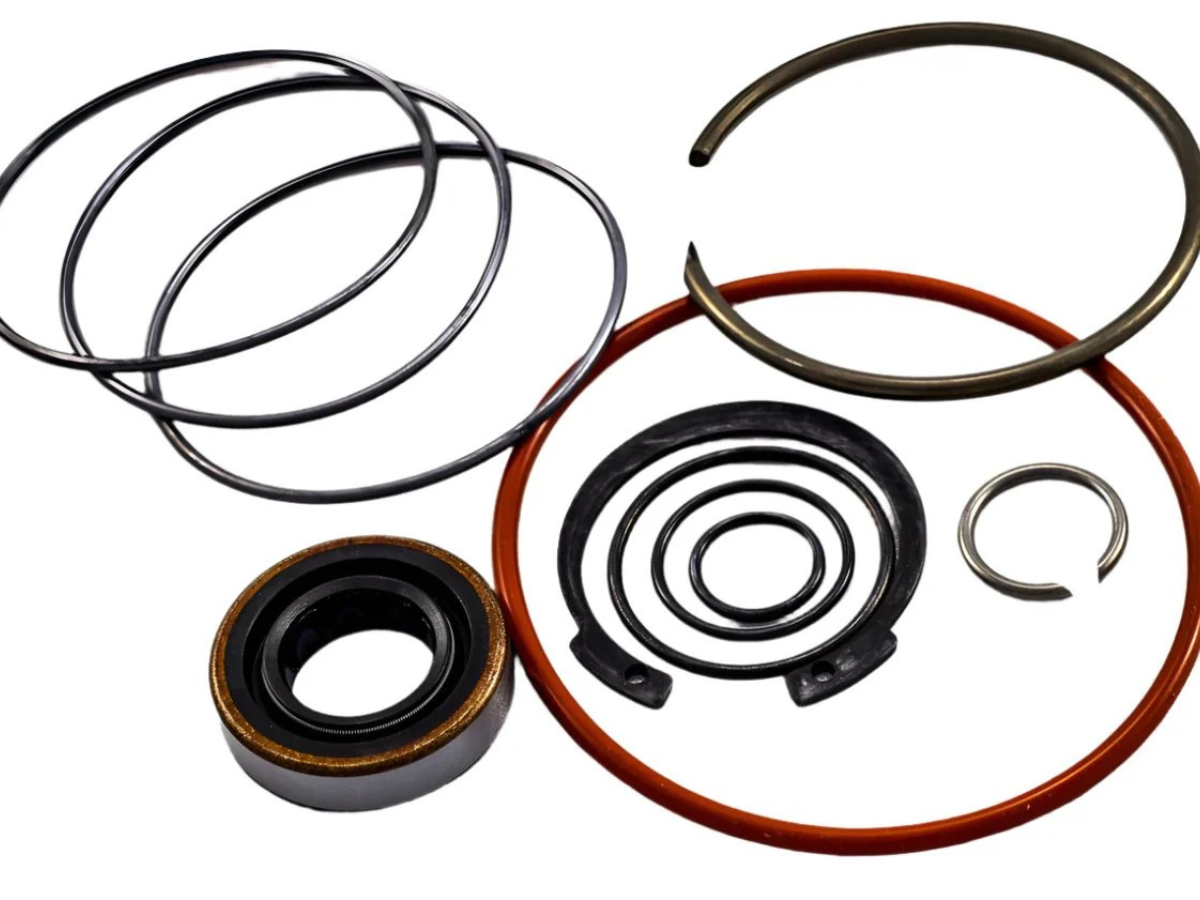
For Toyota owners, keeping your vehicle’s steering system in top condition is crucial for safety, performance, and off-road reliability. Over time, various steering components can wear out, leading to decreased control, unusual noises, or vibrations. Identifying the right steering part to replace first can save you time, money, and potential damage to your vehicle. Yotamasters offers premium steering components engineered for durability, off-road strength, and long-term performance. Understanding which part to inspect first is key to maintaining precise handling and safe driving.
Common Steering Parts That Wear Out
A vehicle’s steering system comprises multiple components that work together to ensure smooth and responsive handling. While all parts can experience wear, some are more prone to failure due to constant movement, stress, and exposure to road conditions.
1. Tie Rods
Tie rods connect the steering rack to the wheels, transmitting steering input to your tires. These parts endure significant stress, particularly in off-road conditions or on rough terrain. Worn tie rods often cause uneven tire wear and reduced steering precision.
2. Ball Joints
Ball joints are the pivot points between the suspension and steering components. Over time, they can develop play or loosen, causing knocking sounds, poor alignment, and vibration while driving.
3. Steering Rack and Pinion
The rack and pinion assembly translates your steering wheel movements into tire movement. Leaks, worn bushings, or internal wear can lead to a loose or unresponsive steering feel.
4. Pitman Arm
In vehicles with a conventional steering linkage, the pitman arm transfers motion from the steering box to the drag link. A worn pitman arm can result in play in the steering wheel or uneven turning.
5. Idler Arm
The idler arm supports the steering linkage on the opposite side of the pitman arm. If it wears out, your steering may feel sloppy, especially during sharp turns or off-road maneuvers.
6. Power Steering Components
Hydraulic hoses, pumps, and reservoirs are essential for power-assisted steering. Leaks or failing pumps reduce fluid pressure, making the steering wheel heavy and unresponsive.
By understanding which parts wear out first, Toyota owners can prioritize inspections and replacements before minor issues become major problems.
Warning Signs of Steering Wear
Recognizing the early signs of steering wear is crucial. Here are the most common warning signals indicating a steering part may need replacement:
1. Vibrations in the Steering Wheel
Excessive vibrations, particularly at higher speeds, often point to worn tie rods or ball joints.
2. Unusual Noises
Clunking, knocking, or squeaking sounds during turns usually indicate loose or damaged steering components, such as pitman arms, idler arms, or ball joints.
3. Vehicle Pulls to One Side
If your car drifts left or right while driving on a flat road, it may signal misaligned or worn steering parts.
4. Excessive Play in the Steering Wheel
A loose steering wheel or delayed response when turning often points to worn tie rods, bushings, or the steering rack itself.
5. Uneven Tire Wear
When steering components degrade, tires may wear unevenly. This is both a symptom and a cause for further inspection.
Early detection of these warning signs allows Toyota owners to replace worn steering parts proactively, reducing the risk of unsafe driving conditions and costly repairs.

Upgrading vs Replacing Stock Components
When a steering part wears out, owners face a decision: replace it with a stock component or upgrade to a premium aftermarket solution.
Replacing Stock Components
Stock parts are designed to meet the manufacturer’s original specifications. They provide reliable performance but may not offer the durability required for off-road use or heavy-duty driving. Replacing stock components is often more cost-effective and ensures compatibility with other vehicle systems.
Upgrading to Premium Parts
Premium steering components, such as those offered by Yotamasters, are built with enhanced materials, reinforced construction, and increased resilience for off-road conditions. Upgrades can provide:
-
Greater control and responsiveness
-
Extended lifespan under harsh conditions
-
Reduced maintenance frequency
-
Improved safety on challenging terrain
For Toyota owners who frequently drive off-road or encounter rough roads, upgrading worn steering parts can deliver long-term benefits and better driving confidence.
Steering Upgrades That Improve Control
Modern steering upgrades focus on durability, precision, and safety. Here are some options Toyota owners often consider:
1. Heavy-Duty Tie Rods
Upgraded tie rods resist bending and wear, maintaining steering alignment even under heavy loads.
2. Reinforced Ball Joints
Premium ball joints feature stronger materials and improved lubrication, reducing noise and extending lifespan.
3. Performance Steering Rack
A reinforced rack and pinion assembly improves steering precision and eliminates slack in the system, especially for off-road or high-performance driving.
4. Upgraded Pitman and Idler Arms
Stronger pitman and idler arms maintain steering geometry, providing better wheel control and reducing wobble or play.
5. Power Steering Enhancements
Upgraded pumps and hoses ensure smooth hydraulic performance, enabling easier turning and consistent response across all driving conditions.
These upgrades not only restore worn-out components but also improve the overall driving experience, making steering smoother, safer, and more reliable.
FAQ
How do I know which steering part to replace first?
Begin by checking tie rods and ball joints, as these are the most common wear points. Look for play, noise, and vibrations. If these parts are in good condition, inspect the rack, pitman arm, and idler arm.
Can I replace steering parts myself?
Some components, like tie rods or ball joints, can be replaced with basic mechanical skills and tools. However, complex parts like the steering rack may require professional installation to ensure proper alignment and safety.
How often should I inspect my steering system?
Steering parts should be inspected at least once a year or during regular maintenance. Off-road or heavy-duty driving may require more frequent checks.
Will upgraded parts affect my vehicle warranty?
Most aftermarket steering upgrades do not void your warranty, but it’s important to check with your vehicle manufacturer or dealer before making modifications.
Where can I find premium Toyota steering components?
Yotamasters provides a wide range of high-quality steering parts built for durability and off-road strength. Visit their steering collection to find compatible parts for your Toyota.
Conclusion
Identifying which steering part needs replacement first is critical to maintaining safety, performance, and reliability in your Toyota. While tie rods and ball joints are typically the first components to wear out, each component of a steering system should be inspected periodically to prevent issues from escalating. Upgrading worn components with premium parts from Yotamasters not only restores performance but also enhances durability, particularly for off-road and demanding driving conditions.
Remember, investing in reinforced components ensures smoother handling, reduced maintenance, and better overall control. For comprehensive repairs, consider using a Toyota knuckle rebuild kit to restore worn steering joints, and upgrading your drivetrain with a complete differential can further enhance performance. Understanding your Toyota’s steering system and addressing any worn parts promptly is essential for a safe and enjoyable driving experience.