
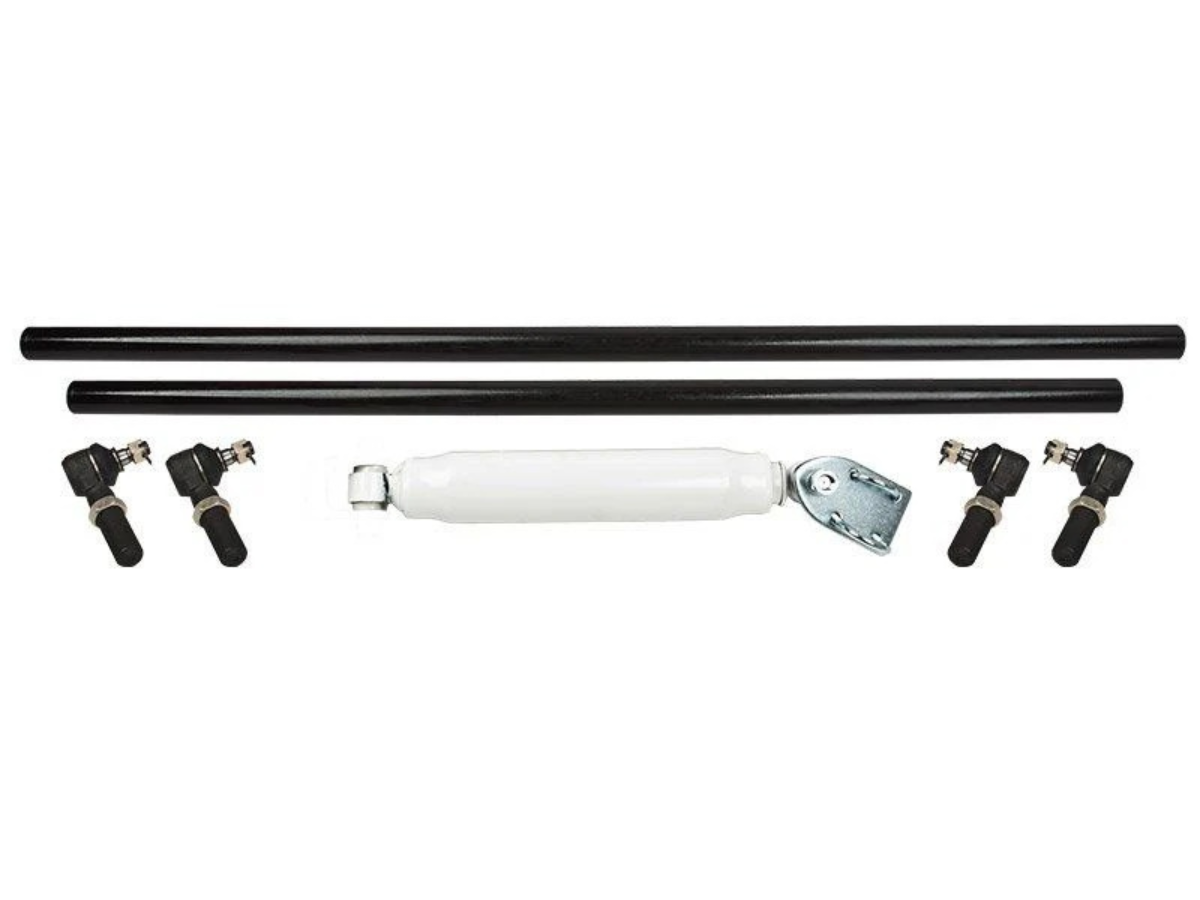
For lifted Toyota truck and SUV owners, steering performance becomes a critical factor in both safety and off-road capability. Stock steering setups often struggle to keep up with larger tires, increased suspension travel, and rugged terrain. That’s where crossover steering comes in. If you’re considering upgrading your steering system, brands like Yotamasters offer purpose-built solutions designed to handle the demands of lifted builds.
In this guide, you’ll learn what crossover steering is, why it matters, and whether it’s the right upgrade for your Toyota. By the end, you’ll have a clear understanding of how this modification can improve control, durability, and overall driving experience.
What Is Crossover Steering?
Crossover steering is a steering system design that replaces the factory push-pull or inverted Y steering setup with a more direct linkage configuration. Instead of connecting both front wheels through a complex geometry, crossover steering uses a single drag link that runs from the steering box directly to the passenger-side steering knuckle.
This setup “crosses over” the front axle, hence the name.
Key Differences from Stock Steering
-
Simplified Geometry: Eliminates unnecessary linkages that can introduce play and inconsistency
-
Improved Angles: Better alignment with lifted suspension setups
-
Direct Steering Input: Reduces lag and enhances responsiveness
Factory steering systems are designed for stock ride height and moderate use. Once you lift your Toyota, the angles of the steering components change, often leading to issues like bump steer, wandering, and uneven tire wear. Crossover steering corrects these problems by realigning the steering geometry to suit your upgraded suspension.
Benefits of Lifted Toyota Builds
Upgrading to crossover steering isn’t just about fixing problems; it’s about unlocking performance. Here are the key benefits lifted Toyota owners can expect:
1. Improved Steering Control
Lifted vehicles often suffer from a vague or inconsistent steering feel. Crossover steering provides a more direct connection between the steering wheel and the wheels, giving you better control on both highways and trails.
2. Reduced Bump Steer
Bump steer occurs when your wheels turn unintentionally as the suspension moves. This is common in lifted vehicles with stock steering geometry. Crossover steering minimizes this issue by aligning the drag link more closely with the suspension travel.
3. Increased Durability
Off-roading puts immense stress on steering components. Heavy-duty crossover steering kits are built with stronger materials, thicker tie rods, and reinforced joints to withstand impacts and rough terrain.
4. Better Compatibility with Larger Tires
Bigger tires add more strain to your steering system. Stock components may flex or wear out quickly. Crossover steering systems are designed to handle the added load, ensuring consistent performance.
5. Enhanced Off-Road Performance
When navigating rocks, mud, or uneven terrain, precise steering is essential. Crossover steering improves articulation and responsiveness, helping you maintain control in challenging conditions.
6. Longer Component Lifespan
Because the system reduces stress and eliminates inefficient geometry, components tend to last longer. This means fewer repairs and lower maintenance costs over time.
When Should You Upgrade?
Not every Toyota owner needs crossover steering, but certain situations make it highly beneficial.
1. After Installing a Lift Kit
If your Toyota has been lifted significantly (typically 3 inches or more), your stock steering geometry is likely compromised. This is one of the most common reasons to upgrade.
2. Experiencing Steering Issues
Signs that your current setup may need improvement include:
-
Wandering or drifting on the road
-
Excessive play in the steering wheel
-
Uneven tire wear
-
Noticeable bump steer
If you’re dealing with any of these issues, crossover steering can provide a solution.
3. Running Larger Tires
Once you upgrade to oversized tires, your steering system needs to handle additional weight and resistance. Crossover steering is better equipped for this demand.
4. Frequent Off-Road Use
If your Toyota sees regular trail action, rock crawling, or overlanding, durability becomes a priority. Upgrading ensures your steering system can handle the abuse.
5. Building a High-Performance Rig
For enthusiasts aiming for peak performance, crossover steering is often considered a must-have upgrade. It complements other modifications and enhances the vehicle's overall capability.

Supporting Components to Upgrade Together
To get the most out of your crossover steering system, it’s important to consider upgrading related components. A well-balanced setup ensures optimal performance and reliability.
1. Steering Box Reinforcement
A stronger steering system puts additional stress on the steering box. Reinforcement plates or upgraded boxes help prevent frame flex and damage.
2. High-Quality Tie Rod Ends
Durable tie rod ends are essential for maintaining precise steering. Upgrading to heavy-duty options ensures longevity and consistent performance.
3. Suspension Components
Your steering and suspension work together. Upgrading shocks, springs, and control arms can improve overall handling and complement your crossover's steering system.
4. Alignment and Geometry Adjustments
Proper alignment is critical after any steering upgrade. Ensuring correct angles prevents premature wear and maximizes performance.
5. Steering Stabilizer
A steering stabilizer can help absorb vibrations and improve comfort, especially when running large tires on rough terrain.
6. Premium Steering Parts
Choosing high-quality steering part options ensures your system performs reliably under stress. Investing in well-engineered components reduces the risk of failure and enhances safety.
FAQ
Is crossover steering necessary for all lifted Toyotas?
No, it depends on the lift height and intended use. Mild lifts may not require it, but larger lifts and off-road builds benefit significantly.
Can I install crossover steering myself?
Installation can be complex and may require specialized tools and knowledge. If you’re experienced with vehicle modifications, it’s possible, but professional installation is recommended for best results.
Will it improve on-road driving?
Yes, many drivers notice better stability, reduced wandering, and more responsive steering on paved roads.
Does it affect suspension performance?
Crossover steering works alongside your suspension. When properly installed, it enhances overall handling without negatively impacting suspension performance.
How much does it cost?
Costs vary depending on the kit and supporting upgrades. While it’s an investment, the performance and durability benefits often justify the expense.
Is it worth it for daily drivers?
If your lifted Toyota is also your daily driver, crossover steering can improve comfort and safety, making it a worthwhile upgrade.
Conclusion
Upgrading to crossover steering is one of the most effective ways to improve the handling, durability, and overall performance of a lifted Toyota. Whether you’re tackling rugged trails or cruising on the highway, this upgrade delivers noticeable benefits in control and reliability.
For drivers seeking a more stable and responsive steering experience, crossover steering stands out as a high-value modification. With Yotamasters, understanding what crossover steering is and how it transforms your vehicle’s dynamics helps you make an informed decision that aligns with your driving needs and builds goals.
If you’re aiming to get the most out of your lifted Toyota, investing in a well-designed crossover steering system could be the upgrade that takes your build to the next level.