
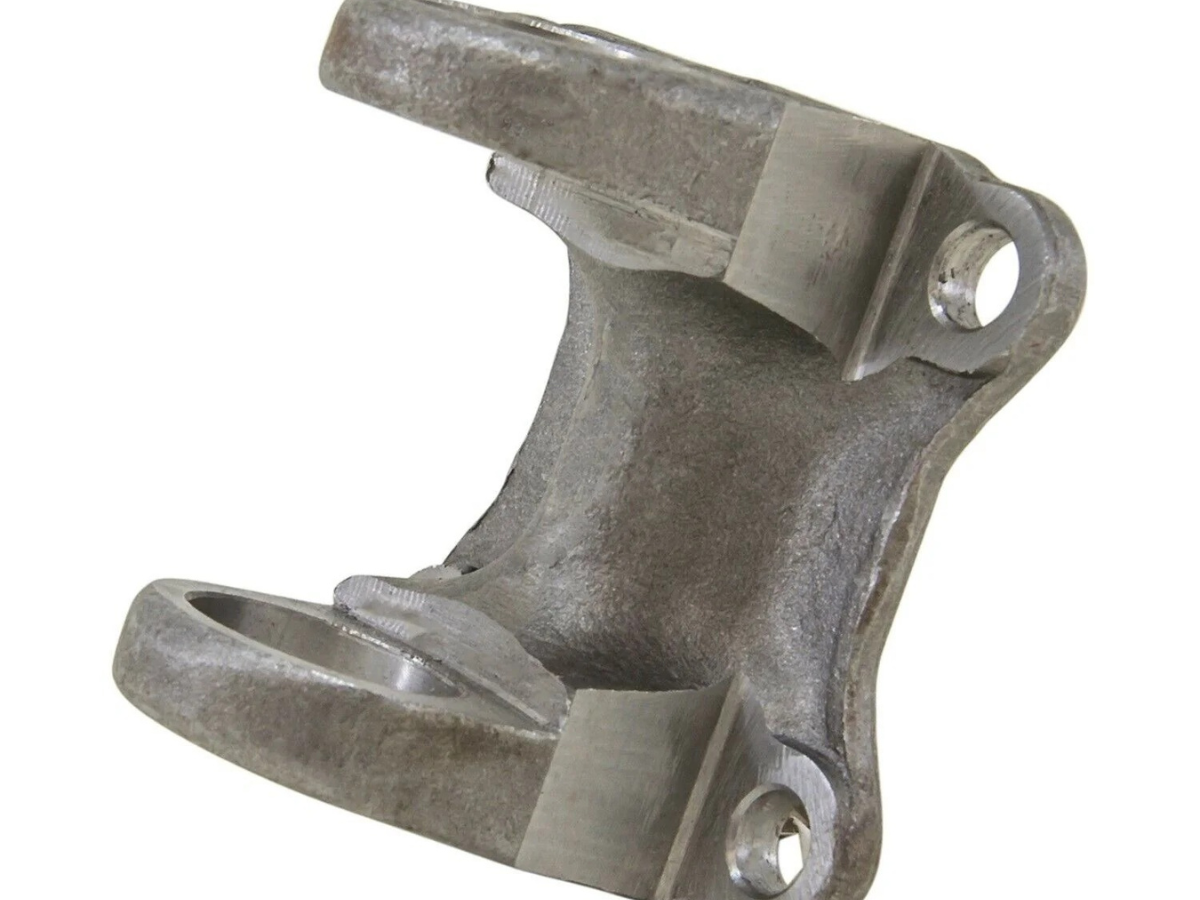
Understanding drive shaft problems in Toyota vehicles starts with knowing what this component actually does. The drive shaft is a critical part of the drivetrain system that transfers power from the engine and transmission to the wheels, allowing your Toyota to move smoothly and efficiently. Without it, your vehicle cannot deliver power to the wheels properly.
In Toyota vehicles, whether you’re driving a sedan, SUV, or truck, the drivetrain is designed for reliability and long-term performance. However, even durable systems can develop issues over time. This is where trusted parts providers like Yotamasters come in, offering quality replacement components when wear and tear become unavoidable.
The drive shaft works under constant stress, rotating at high speeds while handling torque from the engine. Because of this, even small issues can quickly escalate into noticeable performance problems if left unchecked.
Common Drive Shaft Problems in Toyota Vehicles
Toyota vehicles are known for reliability, but like all mechanical systems, the drivetrain can experience wear. Below are the most common Toyota drive shaft issues drivers should watch for.
Excessive Vibration While Driving
One of the earliest and most noticeable signs of trouble is vibration. A failing drive shaft often causes a drivetrain vibration that Toyota owners feel through the floor or steering wheel.
This vibration typically occurs during acceleration or when driving at higher speeds. Common causes include:
-
Imbalanced drive shaft
-
Worn-out bearings
-
Misalignment of components
-
Damaged universal joints
If the vibration worsens with speed, it usually indicates a mechanical imbalance that needs immediate attention.
Clicking or Clunking Noises
A common symptom of a bad drive shaft is unusual noise. Drivers often report a clicking or clunking sound, especially when turning or shifting gears.
This is usually linked to:
-
Worn CV joints
-
Damaged universal joints (U-joints)
-
Loose or failing drivetrain connections
The noise may start off subtle but becomes more frequent as the condition worsens. If ignored, it can lead to complete joint failure.
Difficulty Accelerating Smoothly
When the drive shaft is damaged, power delivery becomes inconsistent. You may notice hesitation or uneven acceleration.
This happens because the shaft no longer efficiently transfers power from the engine to the wheels. In severe cases, the vehicle can feel as if it is struggling or “slipping” during acceleration.
This symptom not only affects performance but also safety, especially during highway driving or overtaking.
Visible Wear or Physical Damage
Sometimes, propeller shaft problems can be identified through a visual inspection. While this is not always easy without lifting the vehicle, some signs include:
-
Rust or corrosion on the shaft
-
Cracks or bends in the metal
-
Loose or damaged joints
-
Grease leakage near CV joints
Regular inspection can help catch these issues early before they lead to costly repairs.
What Causes Drive Shaft Problems?
Several factors contribute to drive shaft problems in Toyota vehicles. Understanding these causes helps prevent future damage.
Lack of Lubrication
Drive shafts rely on properly lubricated joints. When lubrication wears out or leaks, friction increases, causing premature wear and overheating of components.
Normal Wear and Tear
Over time, even high-quality Toyota drivetrain parts naturally degrade. Constant rotation and torque eventually wear down CV joints, U-joints, and bearings.
Off-Road Driving or Heavy Loads
Toyota trucks and SUVs are often used for off-road conditions or heavy hauling. These activities put extra stress on the drivetrain, increasing the risk of damage.
Poor Installation or Misalignment
Incorrect installation during repairs or replacements can lead to imbalance. Even a slight misalignment can cause long-term vibration and component failure.
Damaged CV Joints or U-Joints
The joints are among the most vulnerable parts of the drive shaft system. Once they wear out, they can cause noise and vibration and eventually lead to total failure if not replaced.

Symptoms You Should Never Ignore
Some signs of drive shaft failure indicate serious issues that require immediate attention. Ignoring them can lead to breakdowns or expensive repairs.
-
Shaking or vibration under the vehicle
-
Loud knocking or clunking sounds
-
Delayed or inconsistent acceleration
-
Drivetrain hesitation when shifting gears
-
Unusual fluid leakage near drivetrain parts
If you notice these symptoms, it’s important to have your vehicle inspected as soon as possible. Early detection can save you from more costly repairs and prevent further damage to the transmission or axle system.
Repair vs Replacement – What Toyota Owners Should Know
When dealing with drive shaft problems, Toyota owners often wonder whether repair is enough or if a full replacement is necessary.
When Repair Is Possible
Minor issues such as worn-out joints or loose fittings can sometimes be repaired. Replacing individual components, such as CV joints or U-joints, may restore performance if the shaft itself is still in good condition.
When Replacement Is Necessary
A full replacement is recommended when:
-
The shaft is bent or cracked
-
Multiple components are worn out
-
Vibration persists after repairs
-
There is severe rust or structural damage
In these cases, replacing the entire unit is safer and more cost-effective in the long term.
Cost Considerations
The drive shaft replacement cost varies depending on the Toyota model and whether OEM or aftermarket parts are used. While repairs may seem cheaper initially, repeated issues can make replacement the better investment.
Importance of Quality Parts
Using OEM-quality or high-grade aftermarket Toyota performance parts ensures better durability and performance. Poor-quality parts may fail early, leading to repeated repairs and higher costs.
Choosing the Right Drive Shaft for Your Toyota
Selecting the correct replacement is crucial for long-term performance.
Compatibility by Model and Year
Toyota vehicles vary widely in drivetrain design. Always ensure the drive shaft matches your exact model and year to avoid fitment issues.
Material and Build Quality
High-quality steel and balanced construction are essential for smooth operation. Poor materials can lead to vibration and premature wear.
OEM vs Aftermarket
-
OEM parts offer exact factory specifications
-
Aftermarket options may provide affordability and improved availability
Choosing depends on budget and performance needs, but quality should never be compromised.
Durability and Balance
A properly balanced drive shaft reduces vibration and improves drivetrain efficiency. This is especially important for long-distance driving or heavy-duty use.
Recommended Toyota Drive Shaft Options
For Toyota owners experiencing drivetrain issues, choosing reliable replacement parts is essential.
You can explore a range of Toyota-compatible drive shafts designed for durability and precise fitment here:
https://www.yotamasters.com/collections/driveshaft
These options are built to meet drivetrain performance needs while ensuring smooth operation and long-term reliability. Whether dealing with vibration, noise, or wear, selecting the right replacement helps restore driving confidence.
FAQ
What are the most common drive shaft problems in Toyota vehicles?
Vibration, clicking noises, and difficulty accelerating are the most common issues.
Can you drive with a bad drive shaft?
It is not recommended, as it can lead to serious drivetrain damage or safety risks.
What causes the drive shaft failure in Toyota cars?
Wear and tear, lack of lubrication, damaged joints, and poor alignment are common causes.
How much does it cost to replace a Toyota drive shaft?
Costs vary depending on model and labor, but replacement is generally more cost-effective than repeated repairs.
How do I know if my drive shaft is failing?
Watch for shaking, unusual noises, and vibration during acceleration or turning.
Final Thoughts
Drive shaft issues can start small but quickly affect the vehicle's overall performance. Recognizing early warning signs such as vibration, noise, or difficulty accelerating can prevent more serious damage.
Regular inspection and timely replacement are key to maintaining drivetrain health. Understanding how the system works, including knowing what is a drive shaft, helps Toyota owners make informed decisions about maintenance and repair. At Yotamasters, access to quality drivetrain components makes it easier to find reliable replacement options when needed.
If symptoms appear, addressing them early ensures safer driving, better performance, and fewer long-term repair costs.