
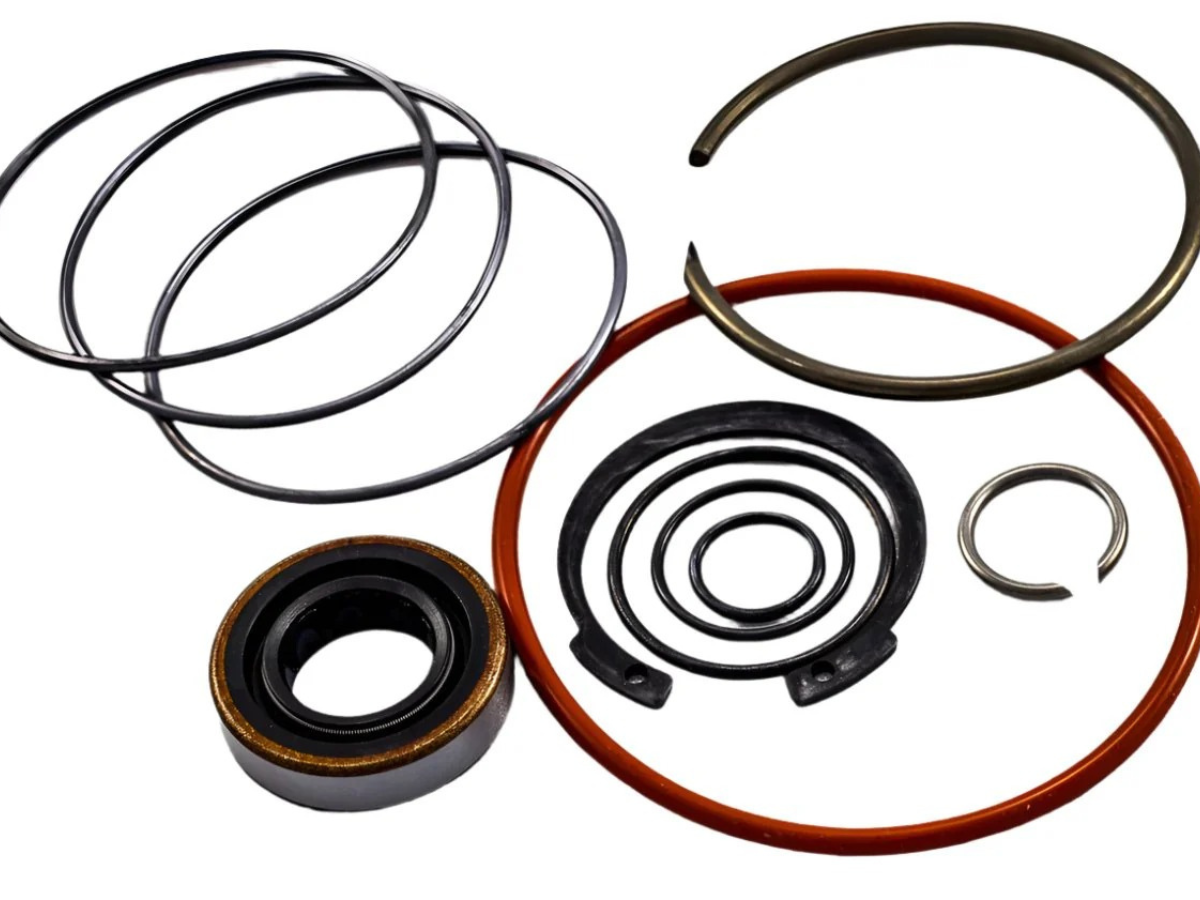
The condition of your Toyota steering parts plays a major role in how safely and smoothly your vehicle handles on the road. In this guide, Yotamasters helps Toyota owners understand how the steering system works, which components wear out over time, and when it’s time to replace them. Whether you’re dealing with subtle handling issues or obvious steering problems, knowing what to look for can save you from costly repairs and unsafe driving conditions.
This article is designed to help you identify worn components early, understand replacement timelines, and confidently choose the right Toyota steering components for long-term performance and reliability.
Understanding Toyota Steering Systems
Toyota steering systems are engineered for precision, comfort, and durability. Most modern Toyota vehicles use a rack-and-pinion steering system, which translates the driver’s steering wheel input into smooth wheel movement on the road.
How Toyota Steering Systems Work
When you turn the steering wheel, the steering column transfers that motion to the steering rack. The rack then moves left or right, pushing the tie rods, which control the direction of the front wheels. In power steering systems, hydraulic or electric assistance reduces the effort needed to turn the wheel.
Key Components of the System
The main Toyota steering parts include:
-
Inner and outer tie rods
-
Power steering pump (in hydraulic systems)
-
Steering column and intermediate shafts
-
Bushings, joints, and seals
Each component plays a critical role in ensuring smooth, responsive, and controlled steering performance. When one part begins to wear out, it often affects the entire system.
Most Common Toyota Steering Parts That Wear Out
Like any mechanical system, steering components degrade over time due to friction, heat, and road conditions. Understanding which parts fail most often helps you stay ahead of repairs.
Steering Rack and Pinion
The steering rack is one of the most important and expensive components. Over time, internal seals may wear out, leading to fluid leaks or a loose steering feel. A worn rack can cause drifting or difficulty maintaining a straight line.
Inner and Outer Tie Rods
Tie rods connect the steering rack to the wheels. These parts are highly exposed to road impact and tend to wear faster than others. When worn, they create loose steering response and uneven tire wear.
Power Steering Pump
In hydraulic systems, the pump supplies pressurized fluid to assist steering. A failing pump may produce whining noises or inconsistent steering assistance.
Steering Column Components
The steering column connects the wheel to the rack. Worn bearings or joints can create vibration or play in the steering wheel.
Bushings and Joints
Small but important, bushings and joints absorb vibration and maintain alignment. When degraded, they can lead to steering instability and noise.
Warning Signs Your Toyota Steering Parts Need Replacement
Recognizing early symptoms is key to avoiding major steering failure. Faulty Toyota steering parts often show warning signs before completely failing.
Loose or Wandering Steering Wheel
If your steering feels loose or the vehicle drifts without input, it may indicate worn tie rods or a failing rack.
Fluid Leaks Under the Vehicle
Hydraulic power steering systems rely on fluid pressure. Leaks often point to damaged hoses, seals, or a failing steering pump.
Noise When Turning
Whining, clunking, or grinding sounds when turning the wheel usually signal internal wear or low fluid levels.
Uneven Tire Wear
Misaligned or worn steering components can cause tires to wear unevenly, reducing tire life and safety.
Delayed Steering Response
If your vehicle feels slow to respond when turning, it could indicate internal steering rack wear or pump inefficiency.
If you notice any of these issues, it may be time to inspect your system and consider replacements. You can also explore steering diagnostics and replacement options here: Toyota steering parts
Check compatible Toyota steering parts for your vehicle today and restore safe, responsive handling before the issue worsens.
When Should You Replace Toyota Steering Parts?
There is no exact expiration date for steering components, but mileage and driving conditions provide strong guidelines.
Mileage-Based Guidelines
-
Tie rods: 50,000–100,000 miles
-
Steering rack: 100,000–150,000 miles
-
Power steering pump: 80,000–120,000 miles
-
Bushings and joints: 60,000–100,000 miles
These are general estimates and can vary based on maintenance and driving habits.
Driving Condition Impact
City driving with frequent stops, rough roads, and heavy loads can shorten the lifespan of steering components. Off-road driving or poor road conditions place even more stress on Toyota steering parts, accelerating wear.
Manufacturer vs Real-World Wear
While manufacturers design components for long life, real-world conditions often cause earlier failure. Regular inspection is essential for preventing unexpected breakdowns.

Repair vs Replacement: What’s the Right Choice?
Deciding between repair and full replacement depends on the condition of your steering system.
When Repair Is Enough
Minor issues like leaking hoses, worn bushings, or outer tie rods can sometimes be repaired individually without replacing the entire system.
When Full Replacement Is Better
If the steering rack is leaking, has internal damage, or multiple components are worn, full replacement is often safer and more cost-effective in the long run.
Cost vs Safety Considerations
While repairs may seem cheaper initially, worn Toyota steering parts can compromise safety and lead to repeated trips to the shop. Full replacement ensures better long-term reliability and driving confidence.
Choosing the Right Toyota Steering Parts
Selecting the right replacement parts is crucial for performance and safety.
OEM vs Aftermarket Comparison
-
OEM parts: Designed to match factory specifications, offering guaranteed fitment and reliability
-
Aftermarket parts: Often more affordable and may offer performance upgrades, but quality varies
Importance of Compatibility and Fitment
Not all parts fit every Toyota model. Always verify compatibility based on model year, trim, and engine type.
Quality Indicators to Look For
-
Durable materials and corrosion resistance
-
Proper sealing for hydraulic systems
-
Trusted manufacturer reputation
-
Warranty coverage
Choosing high-quality Toyota steering parts ensures smoother steering response and longer system life.
Recommended Toyota Steering Parts
Upgrading or replacing key components helps restore steering performance and safety.
Steering Racks
A high-quality steering rack restores precise control and eliminates wheel looseness. It is one of the most critical components to replace in older vehicles.
Tie Rod Assemblies
Replacing inner and outer tie rods improves alignment stability and tire life. These are often replaced together for balanced performance.
Power Steering Pumps
A new pump ensures smooth steering assistance and eliminates noise or pressure issues in hydraulic systems.
Complete Steering Kits
For vehicles with multiple worn components, complete kits offer a cost-effective solution by replacing everything at once.
FAQ
1. What are the most common Toyota steering parts that fail?
Steering racks, tie rods, and power steering pumps are the most frequently worn components.
2. How long do Toyota steering parts last?
Most parts last between 80,000 to 150,000 miles, depending on driving conditions and maintenance.
3. Can I drive with bad steering components?
It is not recommended, as it can affect safety and vehicle control.
4. What causes Toyota steering parts to wear out early?
Rough roads, lack of maintenance, fluid leaks, and aggressive driving can accelerate wear.
5. Should I replace the full steering system or just one part?
It depends on the condition; minor issues may need single replacements, but multiple worn parts often require a full system upgrade.
Final Thoughts on Toyota Steering Maintenance
Maintaining your steering system is one of the most important aspects of vehicle safety and driving comfort. Worn or damaged Toyota steering parts can gradually affect handling, tire wear, and overall road control if not addressed early.
Proactive inspection and timely replacement help prevent expensive repairs and ensure your Toyota remains reliable in all driving conditions. Paying attention to early warning signs and investing in quality components is always more cost-effective than waiting for complete system failure.
For Toyota owners looking for dependable replacement options and expert-level quality, Yotamasters remains a trusted destination for steering system solutions and long-term vehicle performance support.
Find the right steering parts for your Toyota today and keep your vehicle performing at its best.